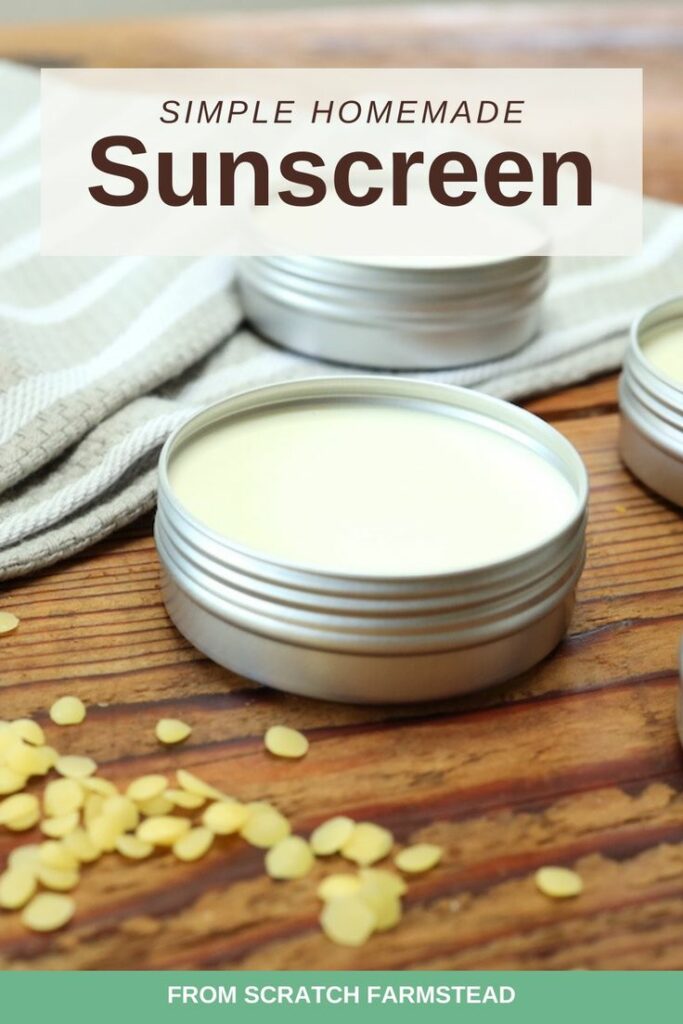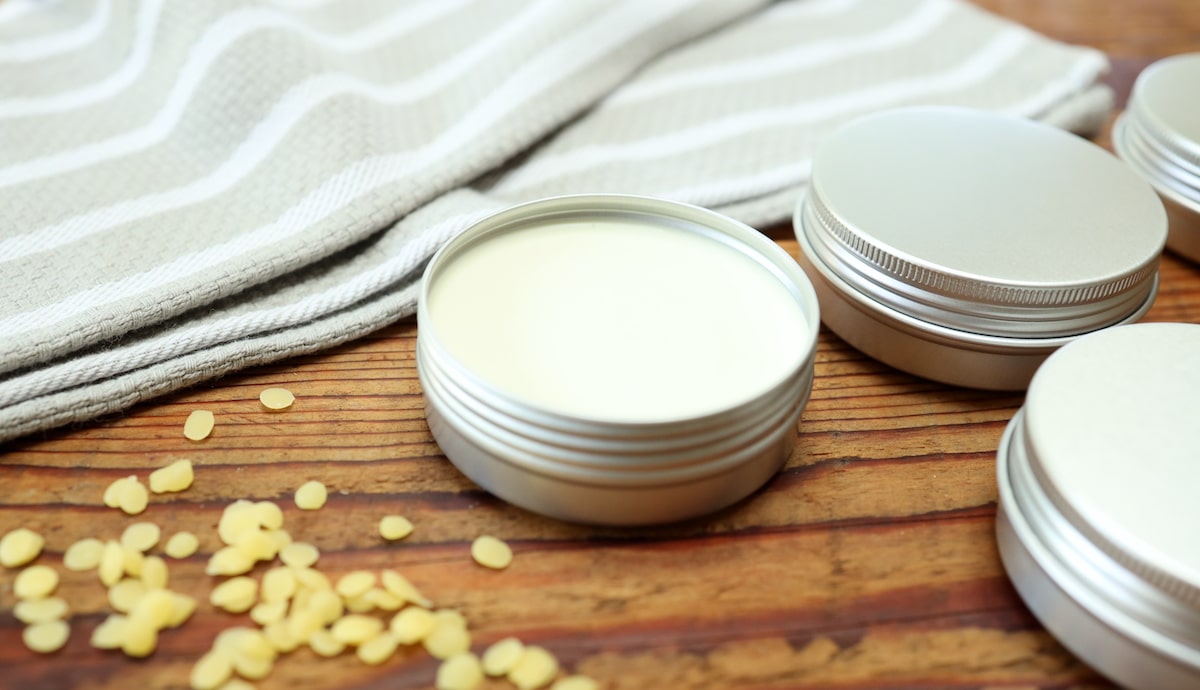
If you are looking for a safe and effective sunscreen option to keep your family safe this summer, including the smallest of babies, this simple homemade sunscreen has been just the ticket for our family for the last several years.
Our Sunscreen Story
Six years ago, when our first child was an infant, I started to look into what sunscreen would be the best option for her. I learned that there were basically no sunscreens on the market that were recommended for babies under the age of one.
I was shocked.
What was in these products that weren’t deemed safe for babies but then by age 18 months they were just fine slather all over their skin?

I started digging deeper and came to the conclusion that for us, the best option would be to make our own sunscreen that could be used for all ages. We’ve been making our own homemade sunscreen for the past 6 years. Between using this sunscreen and keeping up other sun safe practices, we have had no issues with sunburn since.
How Effective Is Sunscreen?
According to the Environmental Working Group, from a peer-reviewed sunscreen study done in the fall of 2021, it was determined that most sunscreens in the US do not provide adequate UVA protection for what the SPF on the bottle states. The UVB protection has been on par with the SPF rating but the inadequate protection of UVA rays is what causes most long-term skin damage and cancer (source).
Furthermore, there are several ingredients (like benzene and oxybenzone) in many sunscreens that are known to have adverse effects on many individuals, especially children. And, aerosol or spray on sunscreens have been found to be particularly problematic in both the ingredients as well as not providing effective sun protection.
All that to say, sunscreen is definitely something you want to do your research on before just believing the claims on the bottle.
What about SPF?
The SPF, or Sun Protection Factor, is the main factor consumers use when choosing sunscreen. There has been a trend in recent years for people to purchase sunscreens with increasingly higher SPF value. In 2007 there were 38 products available with an SPF higher than 50. Fast forward to 2022 and there are 97.
According to research performed by the FDA, there was no evidence showing that a higher SPF would be beneficial to consumers. In fact, as demonstrated in the study cited above, research has found the SPF to be an inaccurate measure of the effectiveness of sunscreen. The biggest problem with sunscreens marketed with spf ratings above 50 is that it gives consumers a false sense of security in the effectiveness of the product. For more information on SPF check out this article.
Chemical vs. Mineral Sunscreen
There are two types of sunscreens, chemical and mineral. There is a lot of evidence showing mineral sunscreens to be a safer choice than chemical options. Chemical sunscreens have ingredients like oxybenzone as their main active ingredient. Oxybenzone is a known hormone disrupter in people and causes damage to the reefs when it is rubbed off of skin damaging ocean life.
The two active ingredients in mineral sunscreens are zinc oxide and titanium dioxide. Of these two, zinc oxide has been found to be effective in combating both UVA and UVB rays while titanium dioxide is strong against UVB rays but less effective against UVA rays. Because of this, we prefer mineral sunscreens with zinc oxide as the active ingredient.
Homemade Sunscreen Ingredients
Homemade sunscreen cannot be lab tested and regulated in the same way that commercial products are. However, by using ingredients that are known to be sun protective AND are safe and even beneficial for the skin, we feel much more confident in the safe and effective use of this homemade sunscreen.
Non-nano zinc oxide is our main active ingredient known for its full spectrum effect of protecting the skin from the sun’s rays. In addition to non-nano zinc oxide, I like using a combination of fats and oils that each uniquely provides their own nourishing skin benefits.
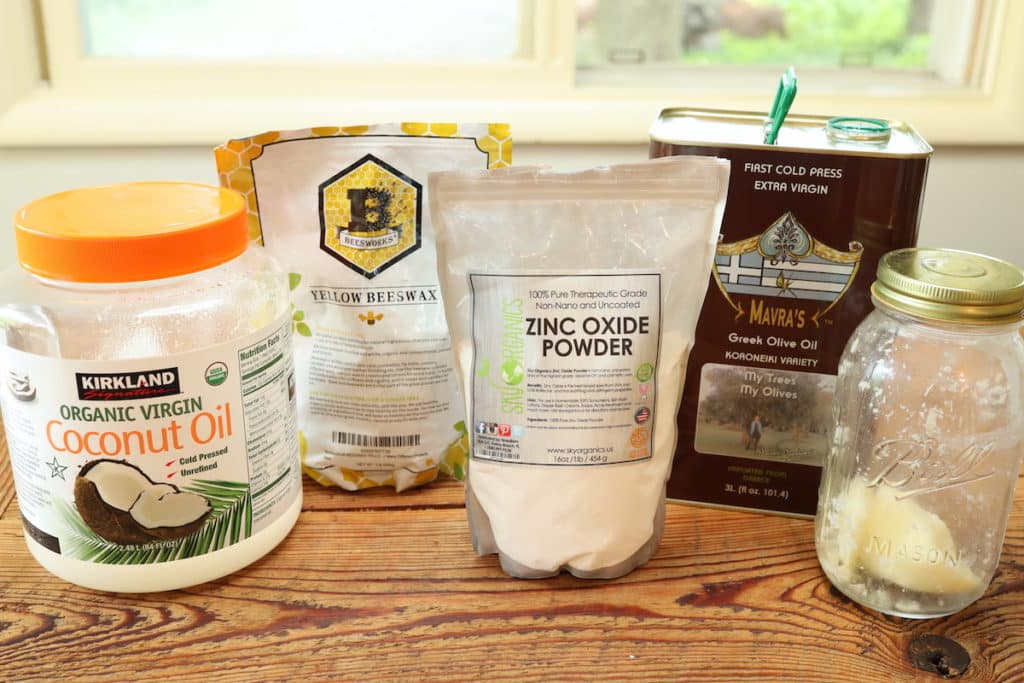
Non-nano Zinc Oxide – As mentioned above, zinc oxide has been found to be the most effective mineral ingredient to combat both the sun’s UVA and UVB rays.
But why is non-nano zinc oxide important? This has to do with particle size. Standard zinc oxide has particles that are extremely small, nanoparticles. The problem with this is that they are so small they can more easily penetrate the skin to get into the bloodstream.
Non-nano zinc oxide means that the particles are bigger making them unable to penetrate through the skin. This keeps the zinc oxide where you want it, on your skin, protecting it from the full spectrum of the sun’s rays. This is the specific non-nano zinc oxide that we used for our homemade sunscreen.
Tallow – On its own tallow has an spf of 4 but apart from what it offers in sun protection, it also adds numerous benefits to overall skin health. Tallow is our go-to ingredient when it comes to all things skincare. This is a short list of the skin benefits that tallow offers:
- High in vitamins A, D, E, K, and B12
- Rich in minerals
- Contains conjugated linoleic acid (CLA) with natural anti-inflammatory properties
- Palmitoleic acid is a powerful antimicrobial agent that is also a basic building block of our skin
- Palmitic acid helps to improve the function of the skin’s protective barrier
- Stearic acid helps to repair damaged skin and improves the skins flexibility and suppleness
We highly recommend sourcing tallow from cows that were fed only grass at a local farm. To find a local farm in your area, check out local harvest.
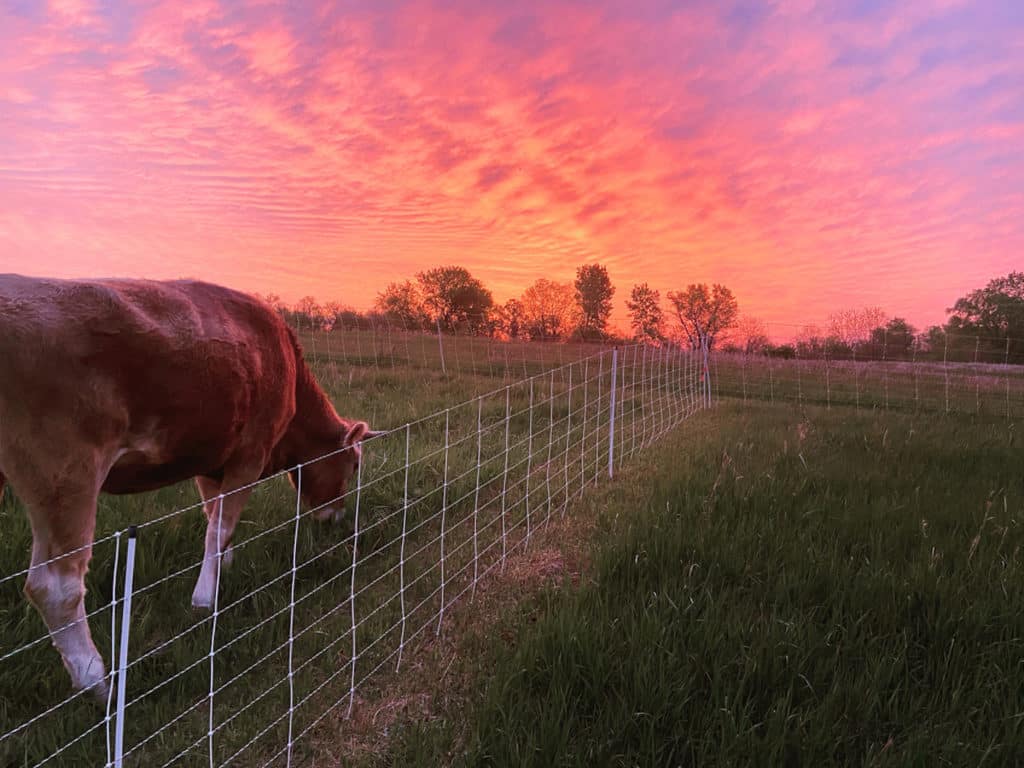
When rendering tallow, you will want to use a wet method to eliminate the beefy smell from your tallow. This post gives you a step-by-step guide to render tallow yourself.
Coconut Oil – While the exact spf of coconut oil wasn’t clear (likely around an spf 5), there is definitely evidence that coconut oil does provide benefits against the sun’s rays. Coconut oil provides a host of other skin benefits including:
- Being moisturizing
- Providing antioxidants
- Contains antifungal, antiviral, and antibacterial properties
- Reducing inflammation
Olive Oil – Similarly, to coconut oil, the spf protection olive oil provides is up for debate. But it is likely around an spf of 5 along with providing many other benefits for skin health. The powerful combination of healthy fats, vitamins, and antioxidants in olive oil lends it to result in more youthful and vibrant skin.

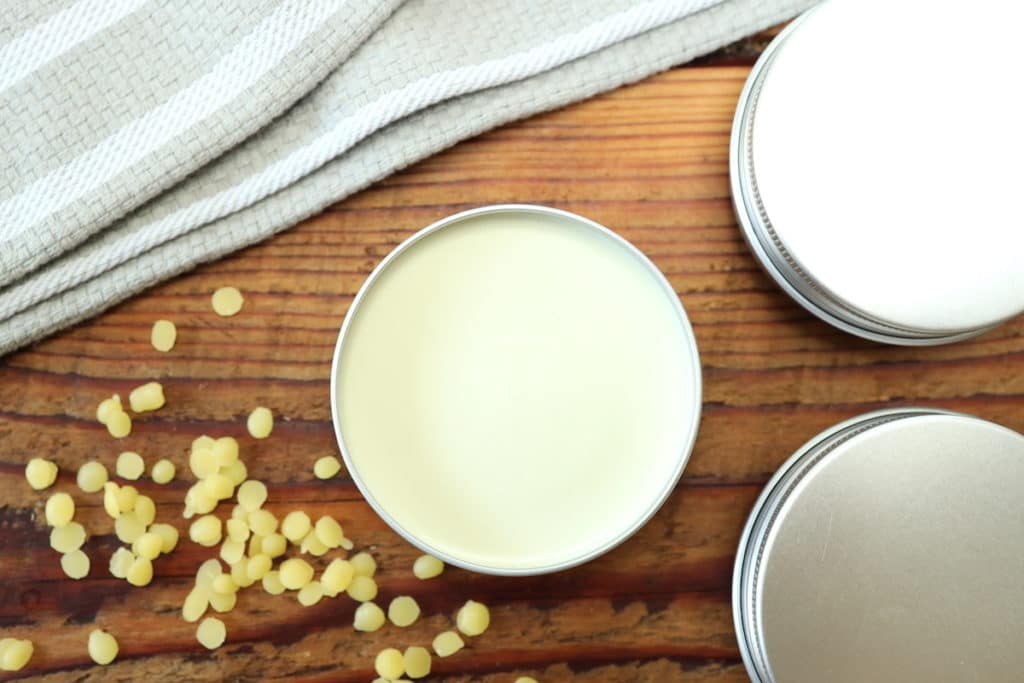
Beeswax – Beeswax is an all-natural and important ingredient in giving the sunscreen the perfect creamy texture and the wax helps to keep this homemade sunscreen waterproof.
Alright, enough background, let’s make some homemade sunscreen!
How to store sunscreen?
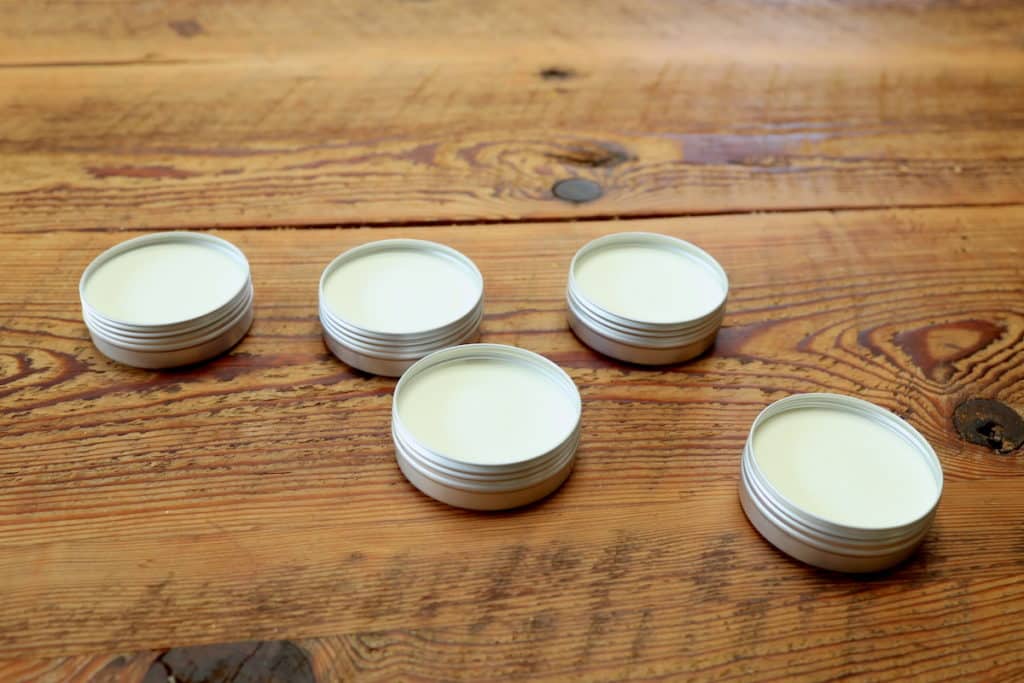
We’ve used different methods for storage. A glass jar works fine but I prefer to store it in these small 2 oz. containers or squeezy silicone tubes to easily throw in my bag and bring to the pool or beach.
Simple Homemade Sunscreen
Yield: 1.25 cups
Ingredients:
– 1/4 cup beeswax
– 1/2 cup non-nano zinc oxide
– 1/4 cup tallow
– 1/3 cup olive oil
– 1/4 cup coconut oil
Directions:
- Add all ingredients to a glass, heat-safe mason jar or 2 cup glass measuring cup.
- Create a double boiler by filling a saucepan 1/3 to half full and placing your jar with ingredients inside.
- Heat the saucepan over medium to high heat, stirring the contents of the jar until everything is melted.
- Once melted pour into desired containers.
Check out more of our favorite tallow-based skincare DIYs:
- DIY Tallow Magnesium Lotion
- DIY Drawing Salve
- Simple Tallow Deodorant Recipe That Actually Works
- Tallow Balm – The Best Remedy For Dry Skin And How to Make It Yourself
- DIY Tallow Shampoo Bar (that actually works!)
Some of the above links are affiliate links. This means we earn a small commission on qualifying purchases at no cost to you. We are so appreciative of your support!
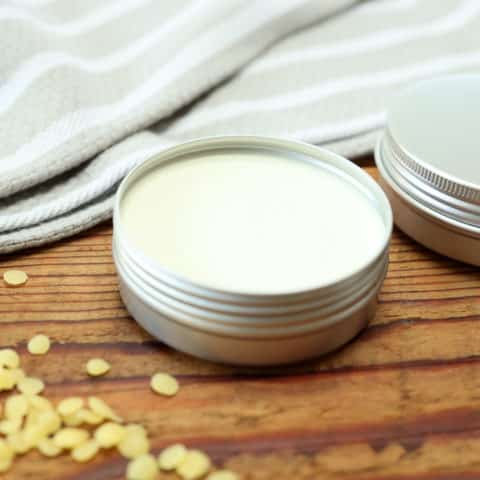
Simple Homemade Sunscreen With Tallow
1.25 cups
5 minutes
10 minutes
15 minutes
If you are looking for a safe and effective sunscreen option to keep your family safe this summer, including the smallest of babies, this simple homemade sunscreen has been just the ticket for our family for the last several years.
Ingredients
- 1/4 cup beeswax
- 1/2 cup non-nano zinc oxide
- 1/4 cup tallow
- 1/3 cup olive oil
- 1/4 cup coconut oil
Instructions
- Add all ingredients to a glass, heat safe mason jar or 2 cup glass measuring cup.
- Create a double boiler by filling a sauce pan 1/3 to half full and placing your jar with ingredients inside.
- Heat saucepan over medium to high heat, stirring contents of jar until everything is melted.
- Once melted pour into desired containers.
Pin it for later!