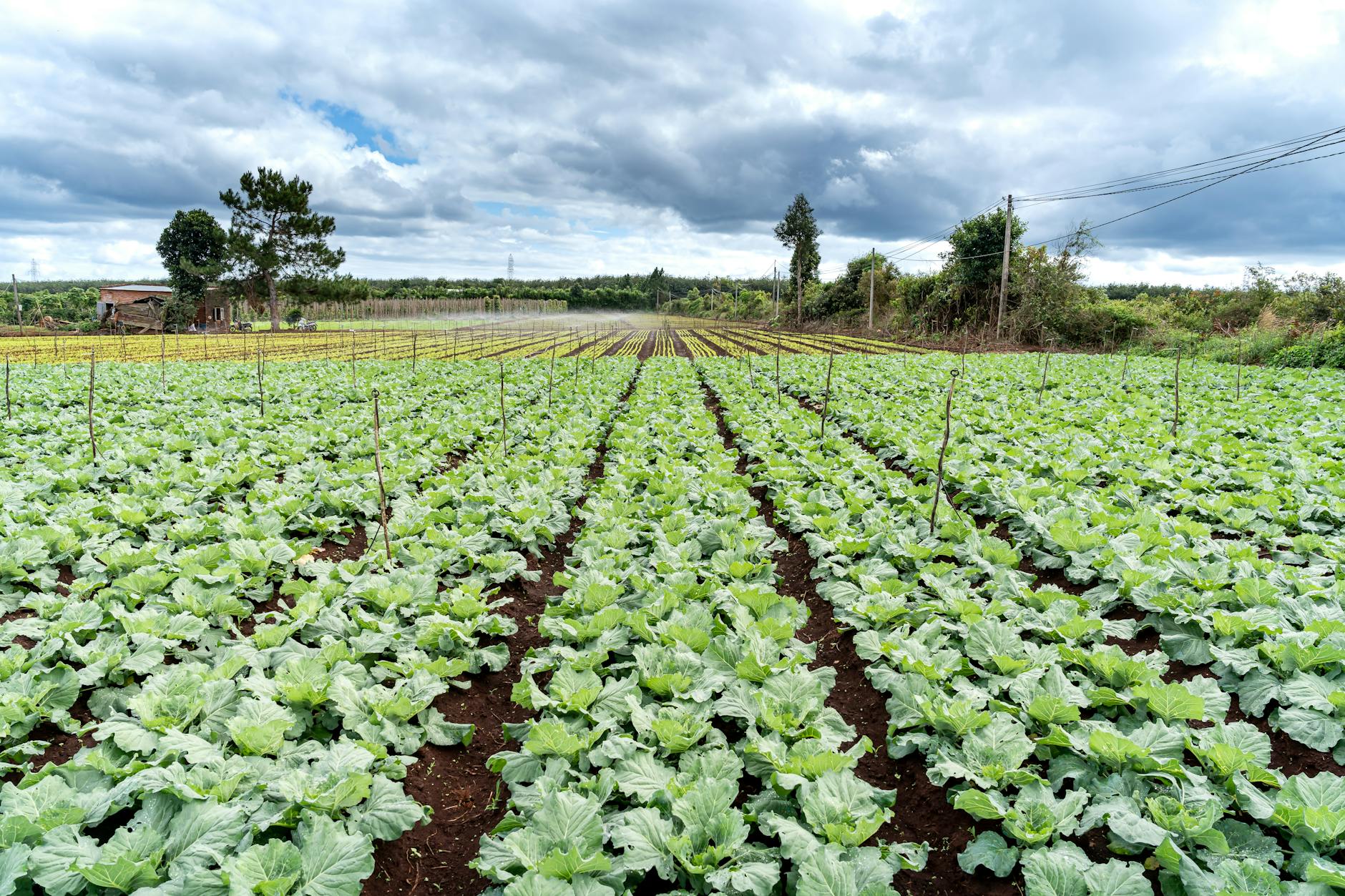
Introduction to Organic Farming Market Growth
The organic farming market has experienced significant growth in recent years, driven by increasing consumer demand for healthier and more sustainable food options. As the world’s population continues to grow, the need for environmentally friendly and socially responsible farming practices has never been more pressing. In this article, we will explore the current state of the organic farming market, its benefits, and provide tips for farmers looking to capitalize on its growth.
The Current State of Organic Farming
The organic farming market is a rapidly expanding industry, with sales of organic products reaching record highs in recent years. This growth can be attributed to a number of factors, including increasing consumer awareness of the environmental and health benefits of organic produce. Additionally, government initiatives and subsidies for organic farming have helped to promote the industry and encourage more farmers to adopt sustainable practices.
Global Organic Market Hits All-Time High (2026 Report)
Benefits of Organic Farming
Organic farming offers a number of benefits, including:
- Improved soil health and fertility
- Increased biodiversity and ecosystem services
- Reduced environmental pollution and greenhouse gas emissions
- Improved crop yields and quality
- Enhanced food safety and security
The Impact of Organic Farming on Farmers
Organic farming can have a significant impact on farmers, both positively and negatively. On the one hand, organic farming can provide farmers with a premium price for their products, which can help to increase their income and improve their livelihoods. Additionally, organic farming can help to promote sustainable agriculture and reduce the environmental impact of farming practices.
However, organic farming can also be more labor-intensive and require significant investments in new equipment and training. Furthermore, organic farmers may face challenges in terms of pests and diseases, which can be difficult to control without the use of synthetic pesticides and fertilizers.
5 Ways Interseeding Can Change the Farming Landscape
Tips for Farmers
For farmers looking to capitalize on the growth of the organic farming market, here are some tips:
- Start small and gradually transition to organic farming practices
- Invest in training and education to learn about organic farming methods and best practices
- Develop a marketing strategy to promote your organic products and reach new customers
- Build relationships with other organic farmers and suppliers to share knowledge and resources
- Stay up-to-date with the latest trends and developments in the organic farming industry
Conclusion
In conclusion, the organic farming market is a rapidly growing industry that offers a number of benefits for farmers, consumers, and the environment. By adopting sustainable and environmentally friendly farming practices, farmers can help to promote a healthier and more sustainable food system. With the right training, equipment, and marketing strategy, farmers can capitalize on the growth of the organic farming market and improve their livelihoods. As the demand for organic produce continues to grow, it is likely that the organic farming market will play an increasingly important role in the future of agriculture.
As someone who’s followed the shift toward sustainable agriculture, I appreciate how this post highlights the dual benefits of organic farming—both for the environment and for long-term farm productivity. It’s encouraging to see the growing recognition of its role in improving soil health and biodiversity, especially as we face increasing pressure to produce more with fewer resources. The mention of government support also underscores how policy can play a key role in helping farmers make the transition.