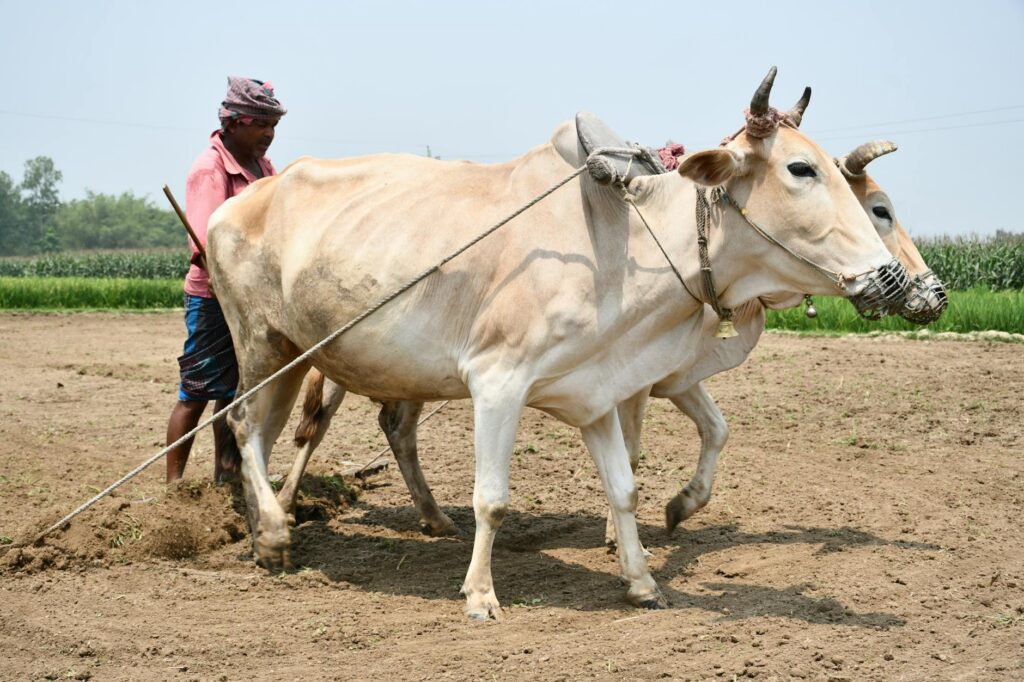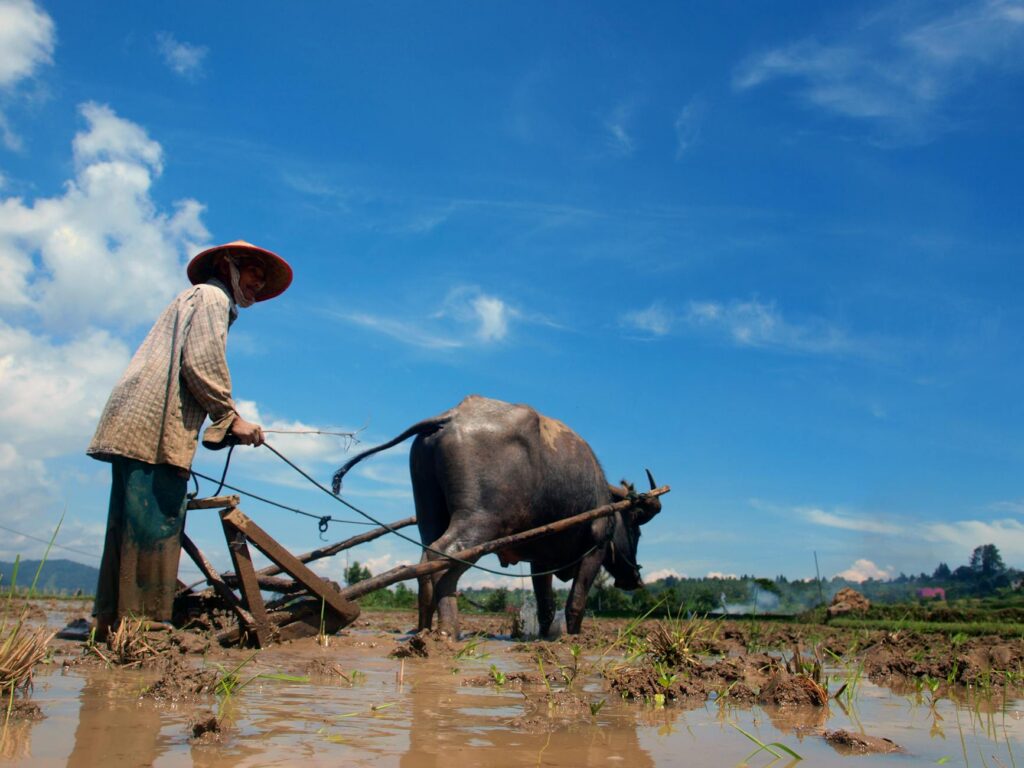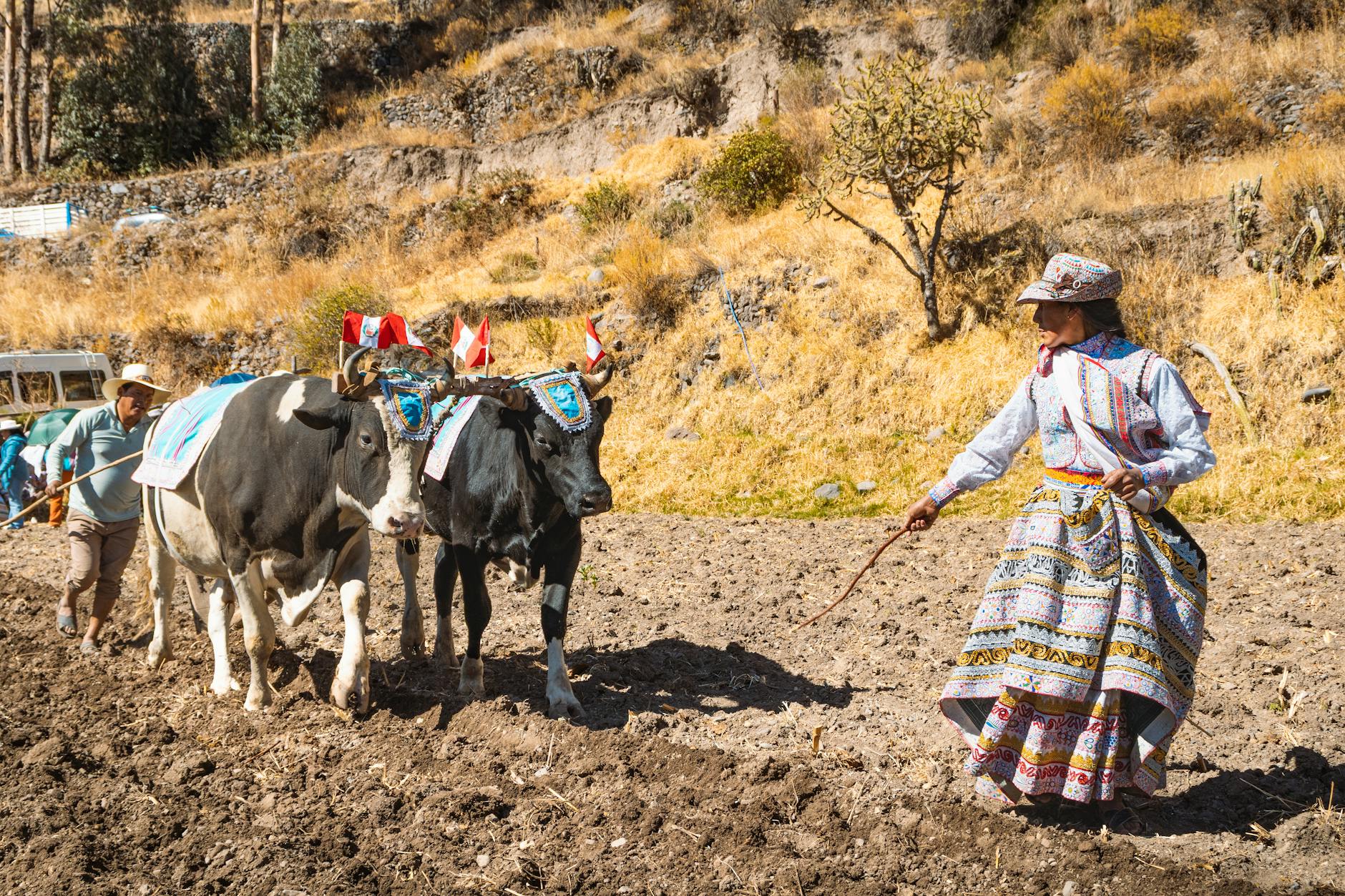
Traditional agriculture has been the backbone of human civilization for thousands of years, providing food, fiber, and other essential products to communities around the world. This time-tested approach to farming has been passed down through generations, with each culture adapting and refining techniques to suit their local environment and needs. At its core, traditional agriculture is about working in harmony with nature, using natural processes and materials to cultivate the land and promote biodiversity. By embracing traditional agriculture, we can learn valuable lessons about sustainability, self-sufficiency, and the importance of preserving our agricultural heritage for future generations.
One of the key characteristics of traditional agriculture is its focus on local and seasonal production. Rather than relying on industrial-scale farming and global supply chains, traditional agriculture emphasizes the importance of producing food and other crops in a way that is tailored to the local climate, soil, and market. This approach not only helps to preserve the unique flavors and traditions of local cuisine, but also reduces the carbon footprint associated with transportation and storage. Additionally, traditional agriculture often involves a greater degree of crop diversity, which can help to promote soil health, reduce the need for external inputs, and provide a more resilient and adaptable farming system.
Principles of Traditional Agriculture
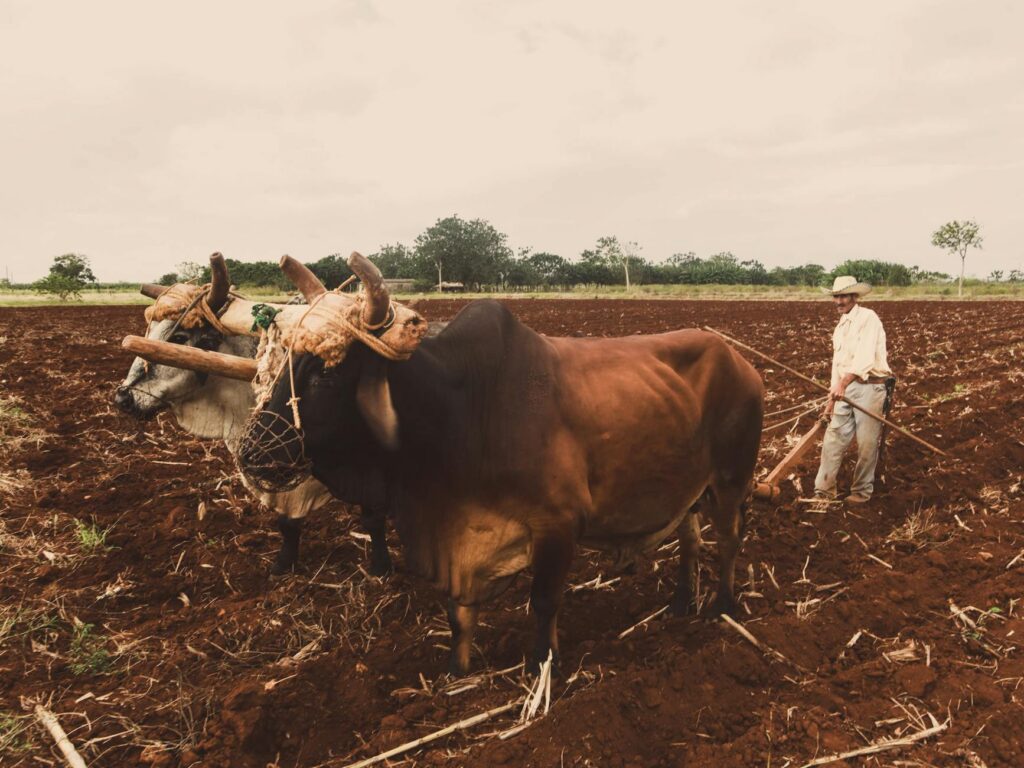
Traditional agriculture is guided by a set of principles that prioritize the long-term health and productivity of the land, as well as the well-being of the people and communities involved. These principles include the use of natural and local materials, the conservation of water and soil, and the promotion of biodiversity through crop rotation and polycultures. By following these principles, traditional agriculture is able to maintain soil fertility, support pollinators and other beneficial insects, and provide a range of ecosystem services that are essential for human health and prosperity.
- Traditional farming techniques overview: IndiaFarm – Agricultural Techniques (IndiaFarm)
- Crop rotation and soil fertility guide: Agriculture Institute – Crop Rotation (Agriculture Institute)
- Traditional vs modern farming comparison: Farmonaut – Traditional and Modern Farming (Farmonaut®)
- Sustainable agriculture and organic farming: Agri Farming – Organic Farming Methods (Agri Farming)
- Traditional farming systems explained: Crop Circle Farms – Traditional Agriculture Systems (Crop Circle Farms)
- Agroforestry and mixed farming methods: KhetiGaadi – Traditional Farming Methods (Khetigaadi)
- Regenerative agriculture insights: The Guardian – Regenerative Agriculture (theguardian.com)
Benefits of Traditional Agriculture
There are many benefits to traditional agriculture, from the environmental and social to the economic and cultural. Some of the most significant advantages include:
- Improved soil health and fertility through the use of natural amendments and conservation tillage
- Increased crop diversity and resilience through polycultures and crop rotation
- Enhanced biodiversity and ecosystem services through the creation of habitat for pollinators and other beneficial insects
- Support for local food systems and rural development through the promotion of local markets and supply chains
- Preservation of traditional knowledge and cultural heritage through the passing down of farming techniques and recipes from one generation to the next
In addition to these benefits, traditional agriculture also plays an important role in promoting food security and sovereignty, particularly in rural and marginalized communities. By providing a reliable source of fresh, nutritious produce, traditional agriculture can help to improve public health, support local economies, and reduce reliance on external inputs and supply chains.
Challenges Facing Traditional Agriculture
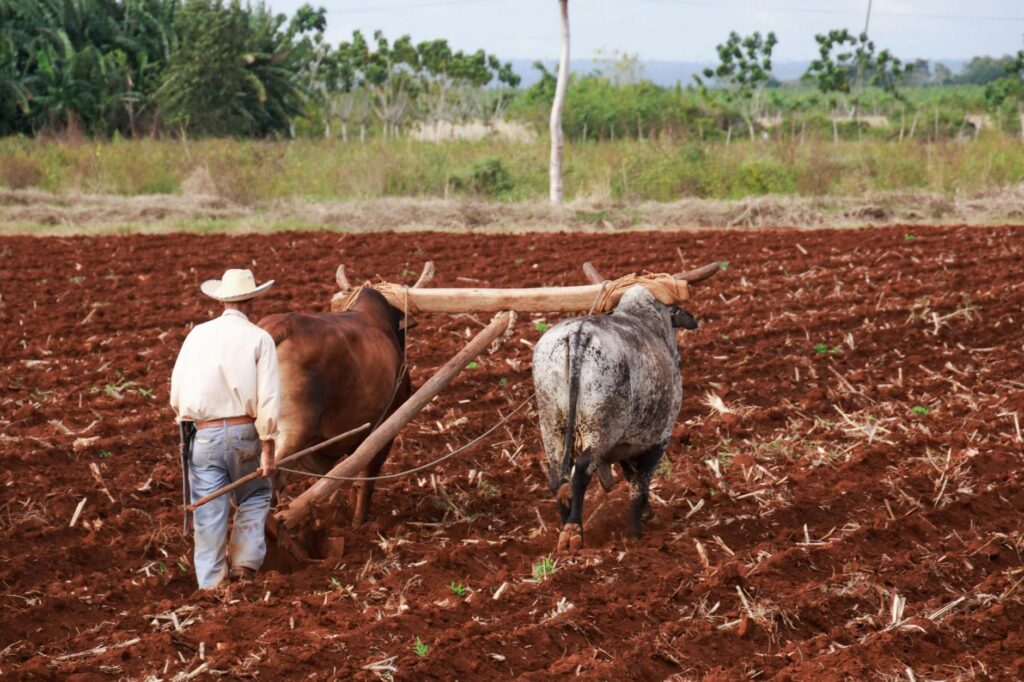
Despite its many benefits, traditional agriculture is facing a range of challenges in the modern era. Some of the most significant threats include the encroachment of industrial agriculture, the loss of traditional knowledge and skills, and the impact of climate change on local ecosystems and farming systems. To address these challenges, it is essential that we prioritize the preservation and promotion of traditional agriculture, through initiatives such as:
- Supporting local food systems and rural development through policies and programs that promote traditional agriculture
- Providing training and resources for young and beginning farmers, to help them learn traditional skills and techniques
- Documenting and preserving traditional knowledge and cultural heritage, through oral histories, recipes, and other forms of cultural expression
- Promoting agroecology and sustainable agriculture practices, to reduce the environmental impact of farming and promote ecosystem services
In conclusion, traditional agriculture is a vital part of our shared cultural heritage, providing a unique window into the past while also offering a range of benefits for the present and future. By embracing traditional agriculture, we can learn valuable lessons about sustainability, self-sufficiency, and the importance of preserving our agricultural heritage for future generations. As we move forward in an increasingly complex and interconnected world, it is essential that we prioritize the preservation and promotion of traditional agriculture, and work to create a more just, equitable, and sustainable food system for all.
By supporting traditional agriculture, we can help to ensure that this rich and vibrant cultural heritage continues to thrive, providing a source of inspiration, guidance, and nourishment for generations to come. Whether through the preservation of traditional knowledge and skills, the promotion of local food systems, or the support of sustainable agriculture practices, there are many ways to get involved and make a positive impact. So why not start today, and join the movement to preserve and promote traditional agriculture, for the benefit of people and the planet?