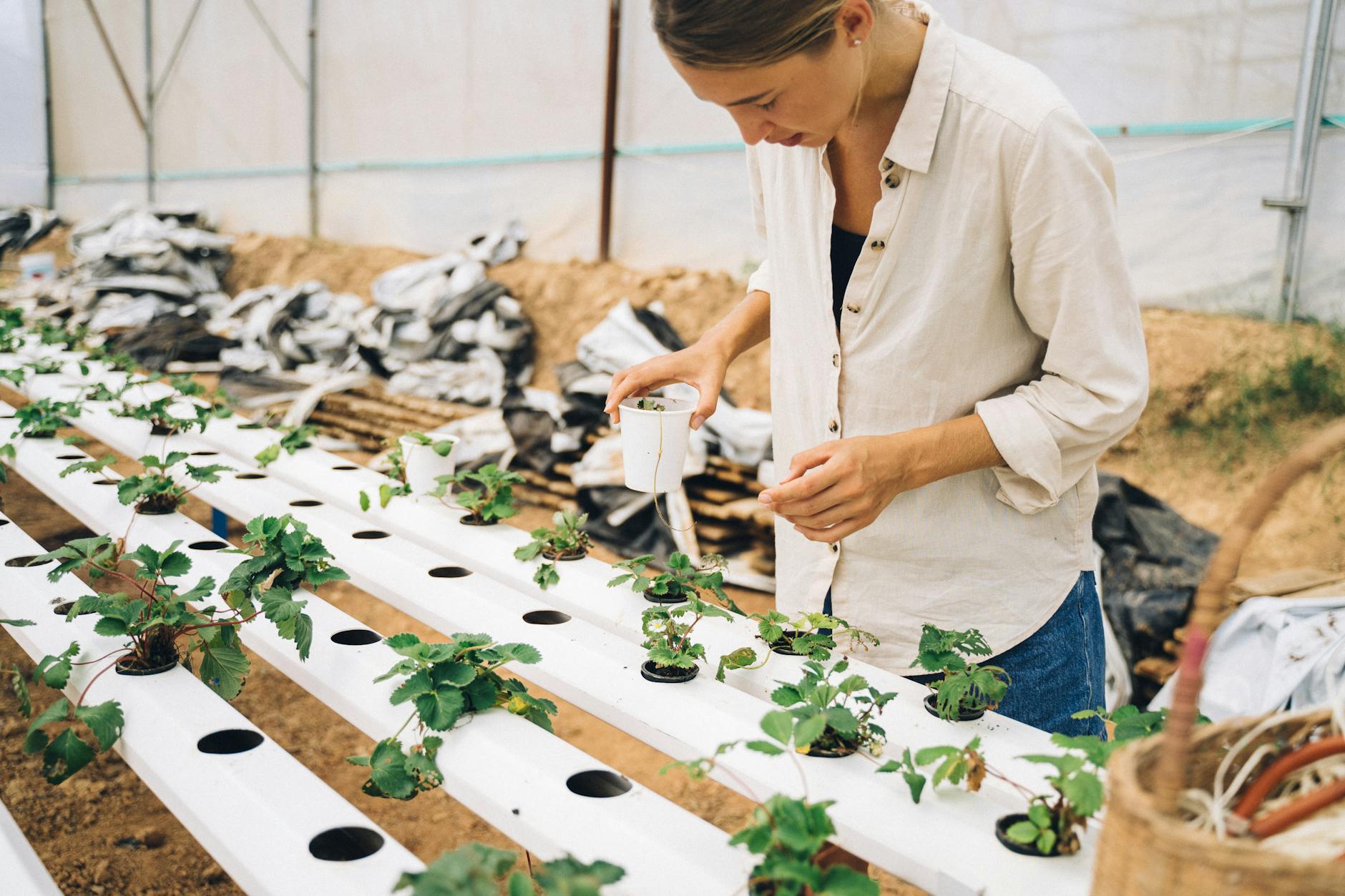
Hydroponic farming 2026 is a revolutionary method of growing plants, where the soil is replaced by a nutrient-rich solution. This innovative approach has been gaining popularity worldwide, and for good reason. By adopting hydroponic farming, farmers can increase crop yields, reduce water consumption, and minimize the use of pesticides and fertilizers. In this blog post, we will delve into the world of hydroponic farming, exploring its benefits, types, and applications.
One of the most significant advantages of hydroponic farming is its ability to promote sustainable agriculture. By using a controlled environment, farmers can optimize growing conditions, resulting in faster growth rates and higher yields. Additionally, hydroponic farming reduces the need for arable land, making it an attractive option for areas with limited agricultural space. This method also allows for year-round production, regardless of season or climate, making it an ideal solution for regions with harsh weather conditions.
What is Hydroponic Farming?
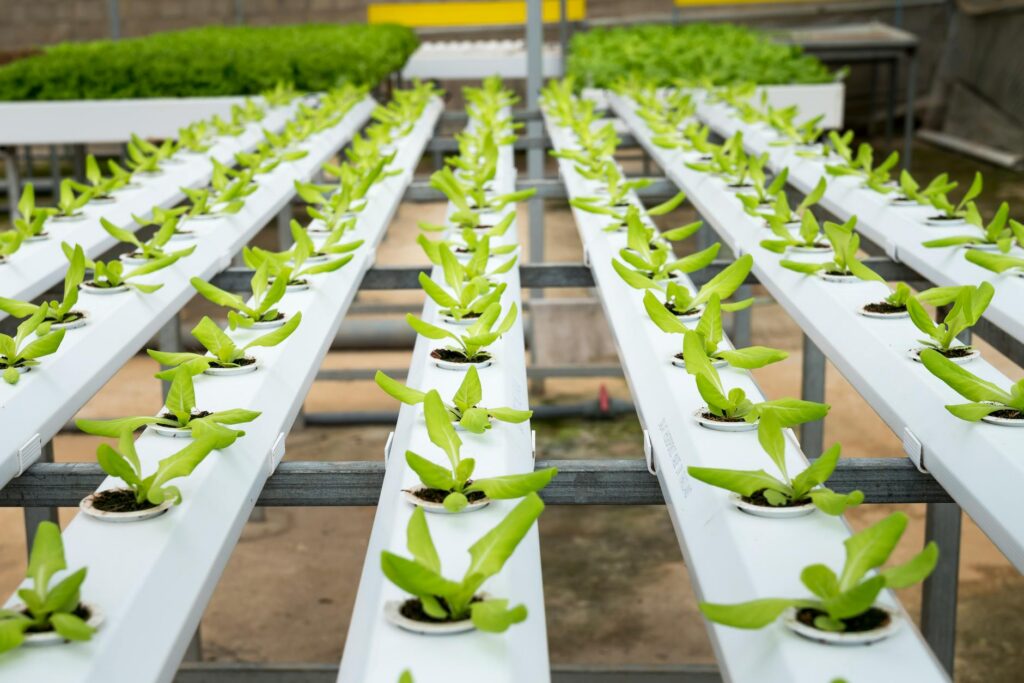
Hydroponic farming is a type of soilless cultivation, where plants are grown in a nutrient-rich solution rather than soil. This solution contains all the essential nutrients, such as nitrogen, phosphorus, and potassium, required for plant growth. The plants are typically grown in a controlled environment, such as a greenhouse or indoor facility, where the temperature, humidity, and light levels can be optimized for maximum growth.
Types of Hydroponic Farming
There are several types of hydroponic farming systems, each with its own unique characteristics and advantages. Some of the most common types include:
- Nutrient Film Technique (NFT): This system uses long, narrow channels to deliver a constant flow of nutrient-rich solution to the plants.
- Ebb and Flow (Flood and Drain): This system involves periodically flooding the grow tray with nutrient-rich solution, and then draining it to prevent waterlogged soil.
- Drip Irrigation: This system uses a network of tubes and drippers to deliver nutrient-rich solution directly to the roots of the plants.
Each of these systems has its own advantages and disadvantages, and the choice of system depends on factors such as crop type, climate, and available resources.
Benefits of Hydroponic Farming
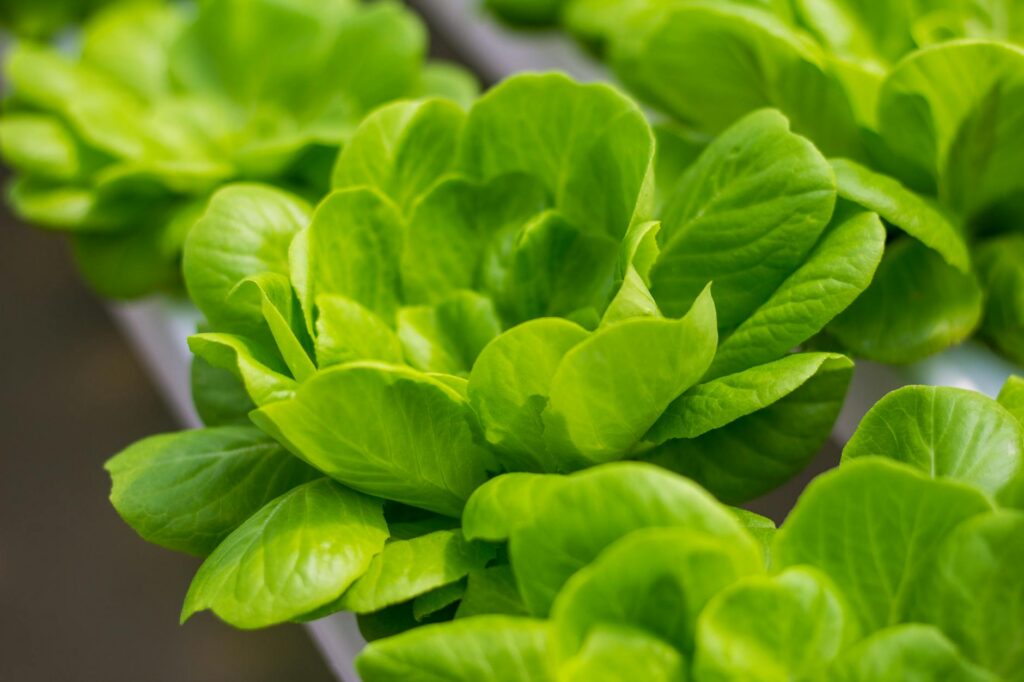
The benefits of hydroponic farming are numerous and well-documented. Some of the most significant advantages include:
- Increased crop yields: Hydroponic farming can increase crop yields by up to 30% compared to traditional farming methods.
- Water conservation: Hydroponic farming uses significantly less water than traditional farming methods, making it an attractive option for areas with limited water resources.
- Reduced use of pesticides and fertilizers: Hydroponic farming allows for more precise control over the growing environment, reducing the need for pesticides and fertilizers.
- Improved crop quality: Hydroponic farming allows for more precise control over the growing environment, resulting in higher quality crops.
In addition to these benefits, hydroponic farming also offers a range of environmental benefits, including reduced soil erosion, improved air quality, and increased biodiversity.
In conclusion, hydroponic farming is a revolutionary method of growing plants that offers a range of benefits, from increased crop yields to reduced water consumption. As the world’s population continues to grow, it is essential that we adopt sustainable and innovative methods of food production. By embracing hydroponic farming, we can promote sustainable agriculture, reduce our environmental footprint, and ensure a food-secure future for generations to come.
As the demand for sustainable and innovative methods of food production continues to grow, it is likely that hydroponic farming will play an increasingly important role in the future of agriculture. With its numerous benefits and advantages, it is an attractive option for farmers, policymakers, and consumers alike. Whether you are a seasoned farmer or just starting out, hydroponic farming is definitely worth considering as a viable and sustainable method of growing plants.
As someone interested in sustainable agriculture, I found the emphasis on hydroponic farming’s ability to reduce water consumption and enable year-round production particularly insightful. It’s exciting to see how this method can address food security challenges, especially in areas with limited arable land or harsh climates. The controlled environment aspect also makes it a promising solution for more efficient and scalable crop production.
The article effectively highlights how hydroponics in 2026 addresses critical challenges like water scarcity and land limitations, which are essential for the future of sustainable agriculture. I particularly appreciate the point about year-round production in controlled environments, as this could truly revolutionize food security in regions with harsh weather conditions.
The insight about year-round production regardless of harsh weather conditions is particularly compelling, as it offers a tangible solution for food security in regions with limited arable land. It is fascinating how shifting from soil to a nutrient-rich solution not only optimizes growth rates but also drastically cuts down on water usage, which is crucial for future sustainable practices.
The point about year-round production regardless of harsh climates really highlights how crucial hydroponics will be for 2026 food security. It’s fascinating how optimizing controlled environments not only boosts yield but significantly reduces the reliance on large tracts of arable land.