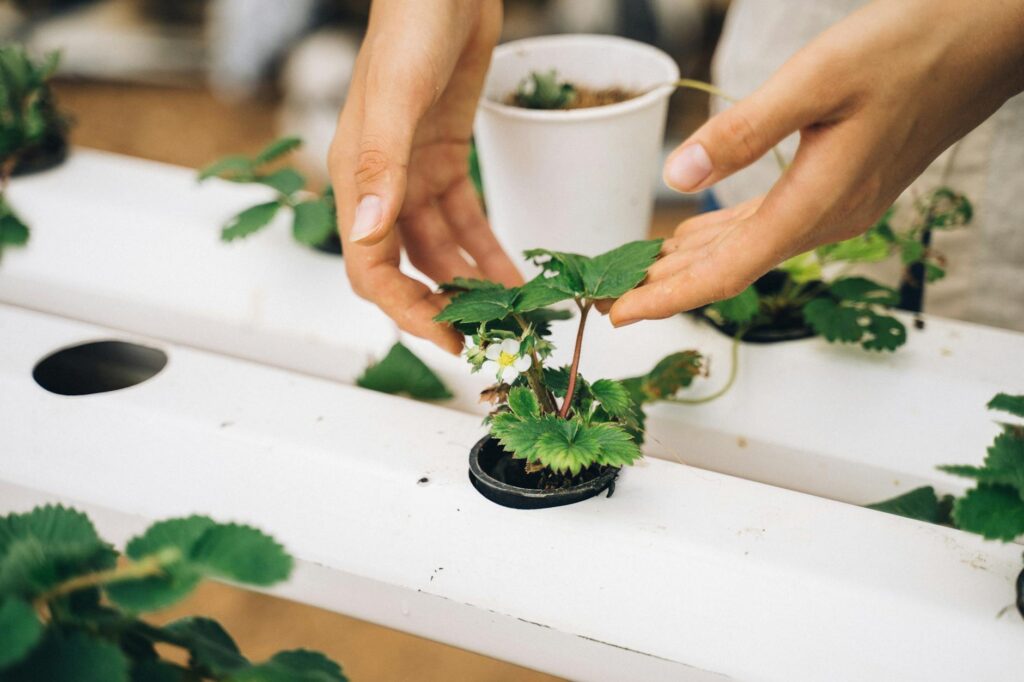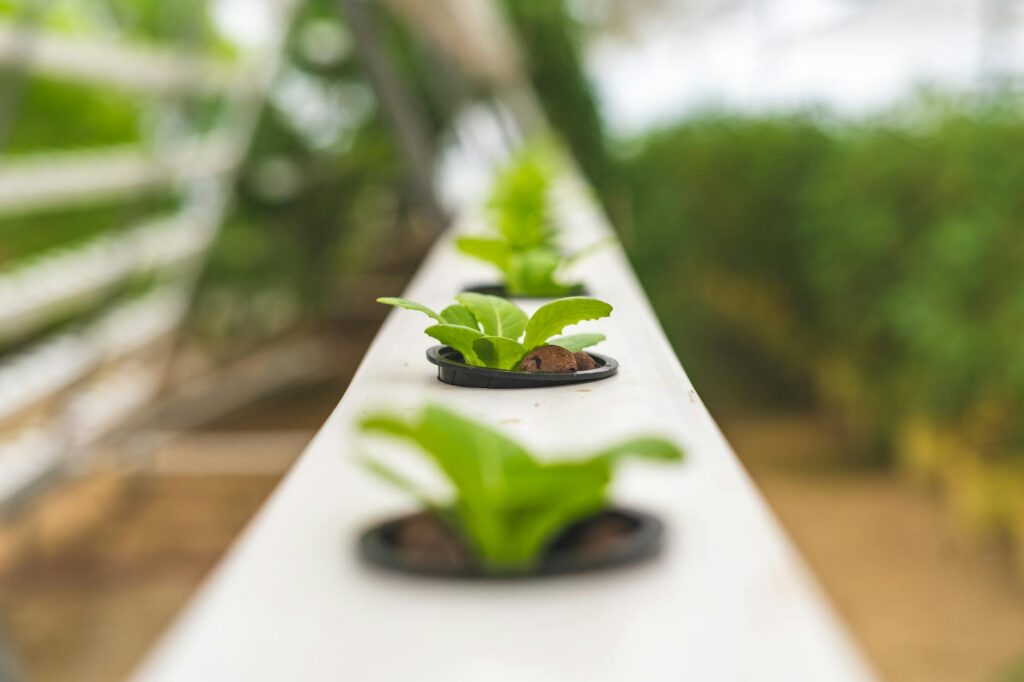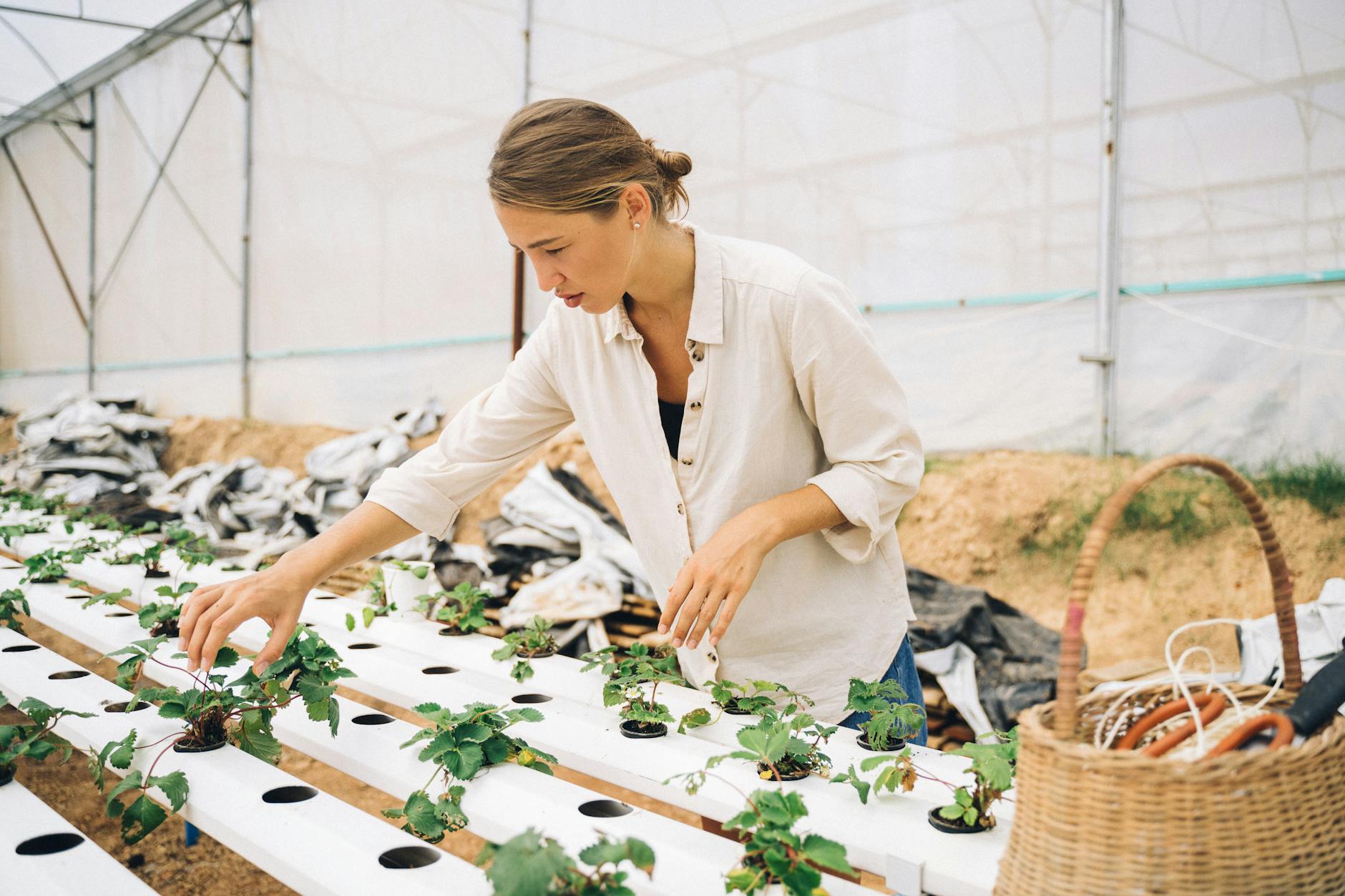
As the world grapples with the challenges of climate change, food security, and sustainable agriculture, hydroponic farming 2026 is emerging as a beacon of hope. This innovative method of growing plants in a nutrient-rich solution rather than soil has been gaining traction globally, and for good reason. By allowing for more efficient use of water, increased crop yields, and reduced environmental impact, hydroponic farming is poised to revolutionize the way we produce food. In this blog post, we’ll delve into the world of hydroponic farming, exploring its benefits, challenges, and what the future holds for this exciting technology.
What is Hydroponic Farming?
Fortune Business Insights: Vertical Farming Market Size 2026-2034
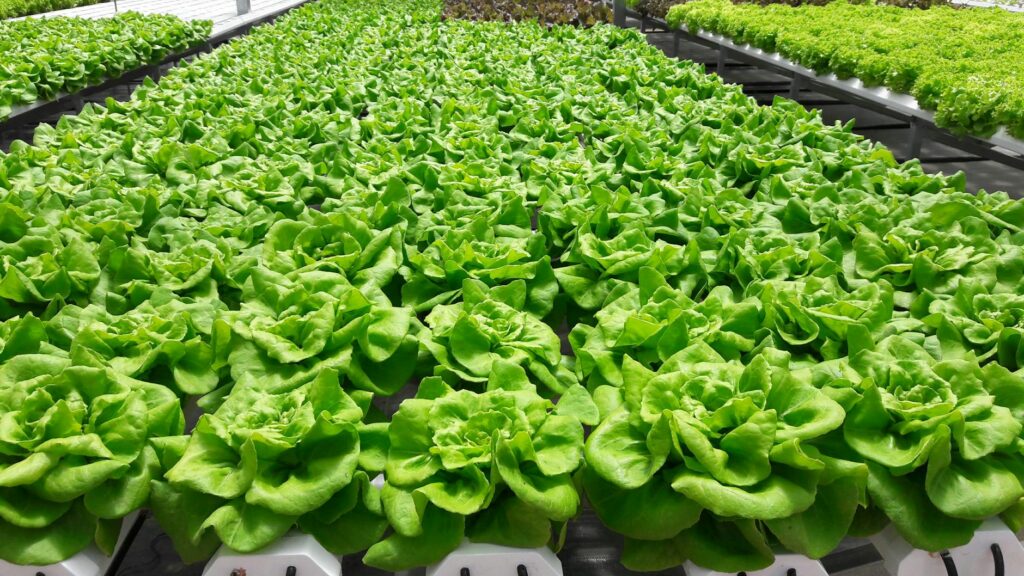
At its core, hydroponic farming involves growing plants in a controlled environment, where the roots are suspended in a nutrient-rich solution rather than soil. This solution provides all the necessary nutrients, oxygen, and water for the plants to thrive. By carefully controlling the levels of these essential elements, farmers can optimize crop growth, reduce waste, and promote healthy plant development. Whether it’s leafy greens, tomatoes, or cucumbers, hydroponic farming can be used to grow a wide variety of crops, making it an attractive option for farmers looking to diversify their operations.
Benefits of Hydroponic Farming
So, what makes hydroponic farming so appealing? For starters, it offers a number of significant benefits, including:
- Water efficiency: Hydroponic farming uses significantly less water than traditional farming methods, making it an attractive option for areas where water is scarce.
- Increased crop yields: By providing plants with exactly the right amount of nutrients, hydroponic farming can increase crop yields and reduce waste.
- Reduced environmental impact: Hydroponic farming eliminates the need for pesticides, herbicides, and other chemicals, making it a more sustainable option for the environment.
- Year-round production: With hydroponic farming, crops can be grown year-round, regardless of the season or weather conditions.
Hydroponic Farming 2026: Trends and Innovations
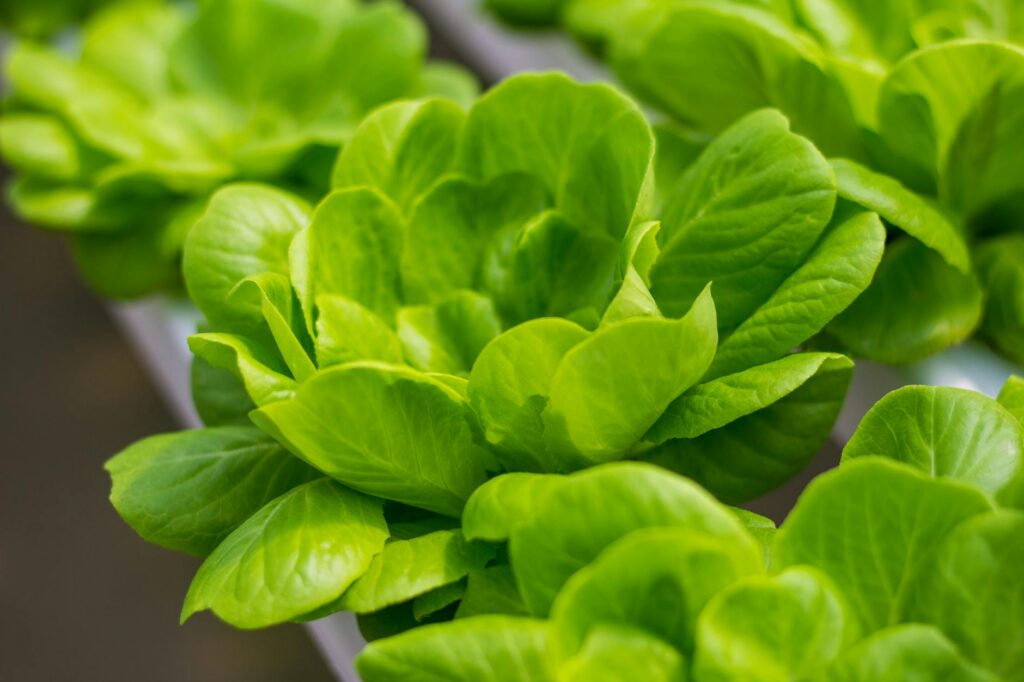
As we look to the future of hydroponic farming, it’s clear that this technology is continuing to evolve and improve. With advancements in areas such as LED lighting, climate control, and nutrient management, farmers are now able to optimize their operations like never before. Additionally, the rise of vertical farming and indoor agriculture is providing new opportunities for urban farmers to get involved in hydroponic farming. Whether it’s a small-scale operation or a large commercial farm, hydroponic farming 2026 is all about embracing innovation and pushing the boundaries of what’s possible.
One of the most exciting developments in hydroponic farming is the use of artificial intelligence (AI) and machine learning (ML) to optimize crop growth. By analyzing data on temperature, humidity, and nutrient levels, AI-powered systems can make adjustments in real-time to ensure that plants are receiving exactly the right amount of care. This not only improves crop yields but also reduces the risk of disease and pests, making hydroponic farming an even more attractive option for farmers.
Challenges and Limitations
While hydroponic farming offers many benefits, it’s not without its challenges. One of the main limitations is the high upfront cost of setting up a hydroponic system, which can be a barrier for many farmers. Additionally, hydroponic farming requires a significant amount of energy to power the lighting, climate control, and other systems, which can increase costs and environmental impact. However, as the technology continues to evolve and improve, we can expect to see more efficient and cost-effective solutions emerge.
In conclusion, hydroponic farming 2026 is an exciting and rapidly evolving field that offers many benefits for farmers, consumers, and the environment. By providing a more efficient, sustainable, and productive way to grow crops, hydroponic farming has the potential to revolutionize the way we produce food. As we look to the future, it’s clear that this technology will continue to play an increasingly important role in shaping the future of agriculture, and we can’t wait to see what the future holds for hydroponic farming 2026.
- Start small: Begin with a small-scale hydroponic system to gain experience and build your skills.
- Choose the right crops: Select crops that are well-suited to hydroponic farming, such as leafy greens or tomatoes.
- Monitor and adjust: Keep a close eye on your system and make adjustments as needed to optimize crop growth.