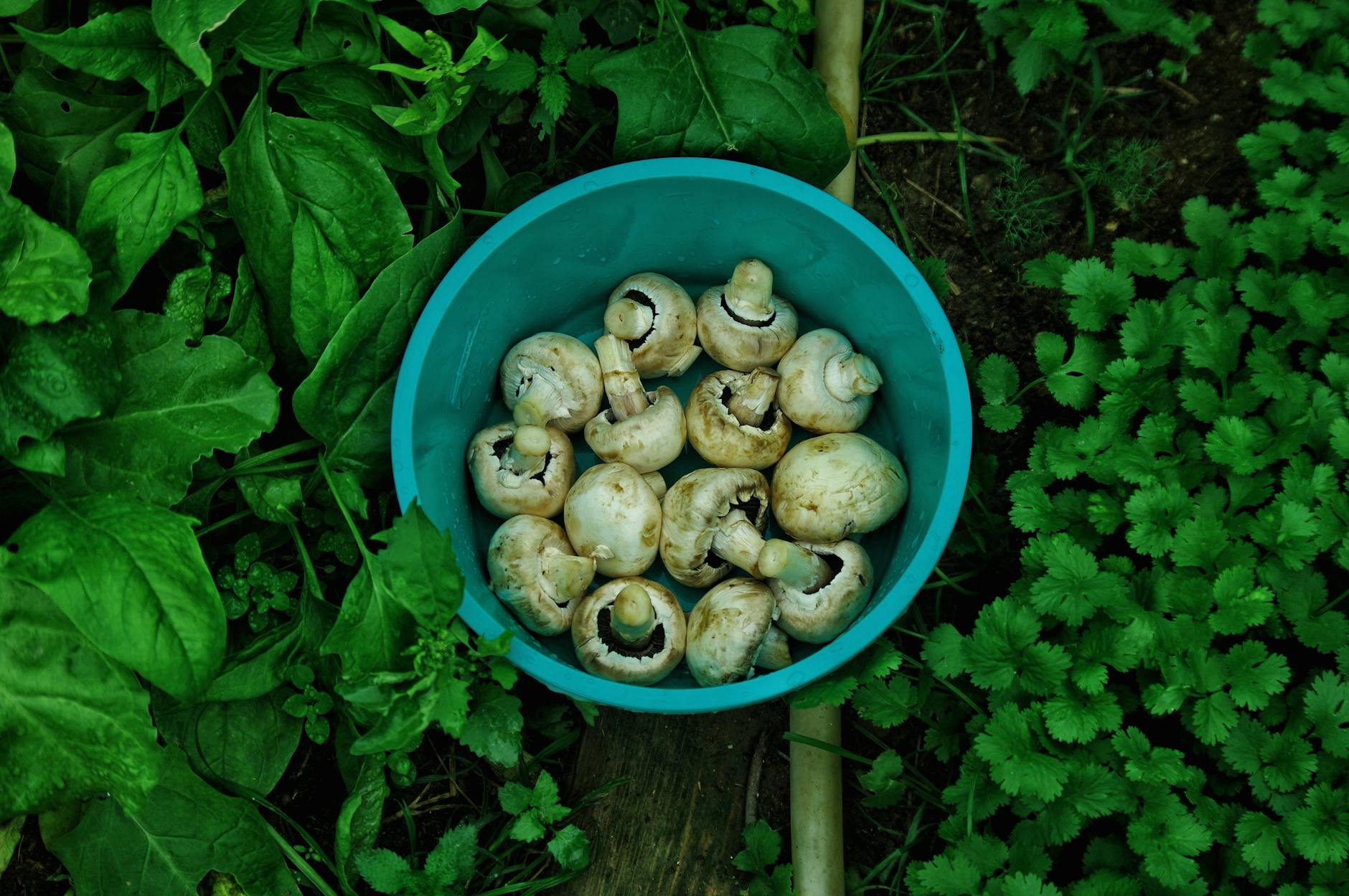
Mushroom farming is a fascinating and rewarding venture that has gained popularity worldwide, offering a unique opportunity for individuals to cultivate a highly sought-after delicacy. With the increasing demand for organic and sustainable produce, mushroom farming has become an attractive option for those looking to venture into agriculture. By utilizing waste materials and requiring minimal land, mushroom farming is an environmentally friendly practice that can be adapted to various climates and regions. As a result, many entrepreneurs and farmers are turning to mushroom farming as a viable business opportunity, leveraging the vast market potential of this versatile and nutritious fungus.
The Basics of Mushroom Farming
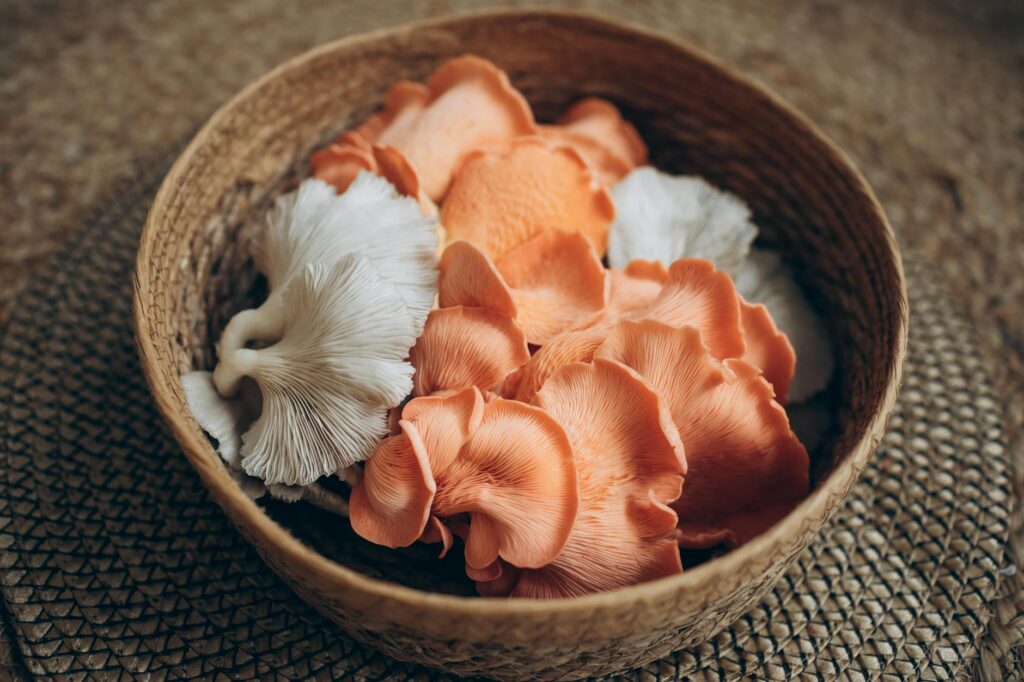
Before diving into the world of mushroom farming, it’s essential to understand the fundamental principles and requirements. Mushroom farming involves the cultivation of mushroom species, such as oyster, shiitake, or button mushrooms, using a controlled environment. This environment is typically created using a substrate, such as straw or compost, which is inoculated with mushroom spores. The substrate is then incubated in a humid, temperature-controlled space, allowing the mycelium to grow and eventually produce mushrooms. With proper care and maintenance, mushroom farming can yield a bountiful harvest, providing a fresh and consistent supply of this popular ingredient.
Benefits of Mushroom Farming
One of the most significant advantages of mushroom farming is its potential for high yields and rapid growth. Mushrooms can be harvested in as little as six weeks, allowing for multiple crops per year. Additionally, mushroom farming requires minimal land, making it an ideal option for urban farmers or those with limited space. The process of mushroom farming also generates minimal waste, as the spent substrate can be used as compost or animal feed. Furthermore, mushroom farming can be a lucrative business, with many species commanding high prices in the market. By adopting efficient and sustainable practices, mushroom farmers can capitalize on the growing demand for specialty mushrooms, establishing a profitable and environmentally friendly enterprise.
Some of the key benefits of mushroom farming include:
- High yields and rapid growth
- Minimal land requirements
- Low waste generation
- Lucrative market potential
- Opportunity for sustainable and organic production
Challenges and Opportunities in Mushroom Farming
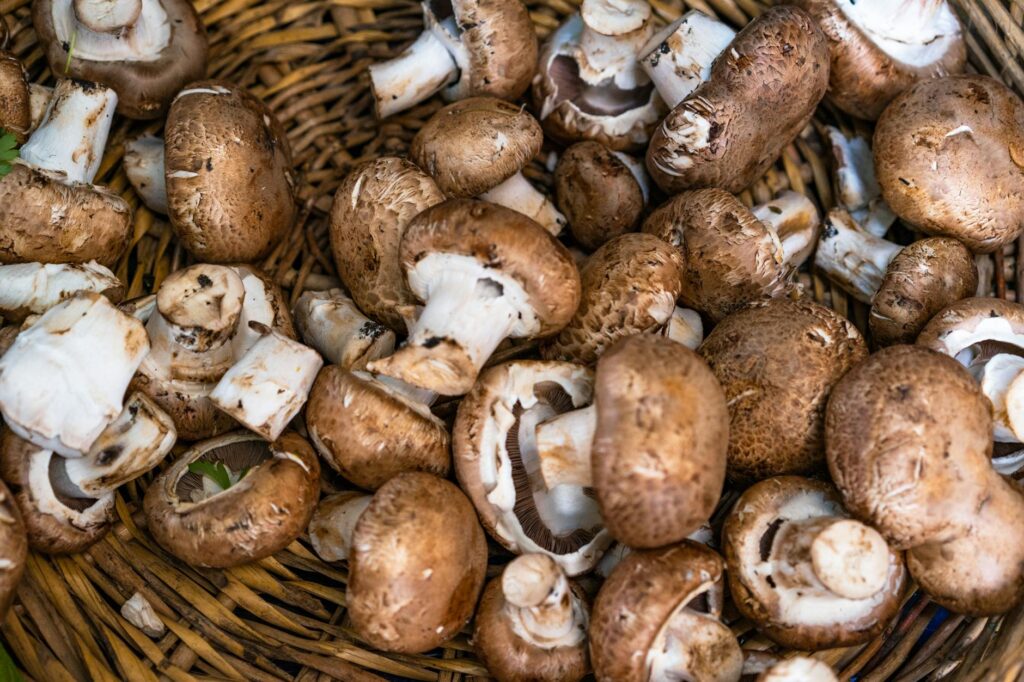
While mushroom farming offers numerous benefits, it also presents several challenges that must be addressed. One of the primary concerns is the risk of contamination, which can significantly impact crop yields and quality. Additionally, mushroom farming requires careful climate control, as temperature and humidity fluctuations can affect mycelium growth and mushroom development. Moreover, the market for mushrooms can be highly competitive, with many established players and a constant influx of new entrants. However, these challenges also present opportunities for innovation and differentiation, as mushroom farmers can develop unique and high-quality products to stand out in the market.
To overcome these challenges, mushroom farmers can adopt various strategies, such as:
- Implementing robust quality control measures to minimize contamination risks
- Investing in climate control systems to maintain optimal growing conditions
- Developing niche products, such as specialty mushrooms or value-added products
- Building strong relationships with suppliers, distributors, and customers to establish a stable market presence
In conclusion, mushroom farming is a dynamic and rewarding industry that offers a unique combination of environmental sustainability, market potential, and personal fulfillment. By understanding the basics of mushroom farming and adopting efficient and innovative practices, entrepreneurs and farmers can capitalize on the growing demand for this versatile and nutritious fungus. As the popularity of mushroom farming continues to grow, it’s essential to stay informed about the latest developments and best practices in the industry, ensuring a successful and profitable venture.
With the right approach and mindset, mushroom farming can be a highly rewarding and lucrative business, providing a fresh and exciting opportunity for those looking to venture into agriculture. Whether you’re an experienced farmer or an enthusiastic newcomer, the world of mushroom farming is waiting to be explored and cultivated, offering a chance to grow and thrive in this exciting and rapidly evolving industry.
Thanks for the insightful overview of mushroom farming—especially the part about using waste materials as substrate. It really highlights how sustainable and adaptable this practice can be, especially for small-scale or urban farmers looking to minimize environmental impact while maximizing yield. I’m curious to hear more about the specific challenges faced during the incubation phase and how they can be managed effectively.
The article provides a clear overview of how utilizing waste materials like straw can make mushroom farming an environmentally friendly venture for both new entrepreneurs and existing farmers. I particularly appreciate the emphasis on the controlled environment requirements, as maintaining the right humidity and temperature is often the key differentiator between a failed attempt and a bountiful harvest.
It’s impressive how the article highlights the potential for mushroom farming to utilize waste materials while requiring such minimal land, making it a truly sustainable business model. The section on the controlled environment and substrate types really clarifies the technical basics, which is often the biggest hurdle for beginners. I appreciate how the piece frames this not just as a hobby, but as a viable, forward-thinking agricultural venture for 2026 and beyond.
This article perfectly captures why mushroom farming is such a smart pivot for sustainable agriculture, especially the point about utilizing waste materials to create a high-value crop with minimal land requirements. It’s fascinating to see how controlling the substrate and environment can turn what we usually discard into a consistent, nutritious harvest. Great guide for anyone looking to start this eco-friendly venture!