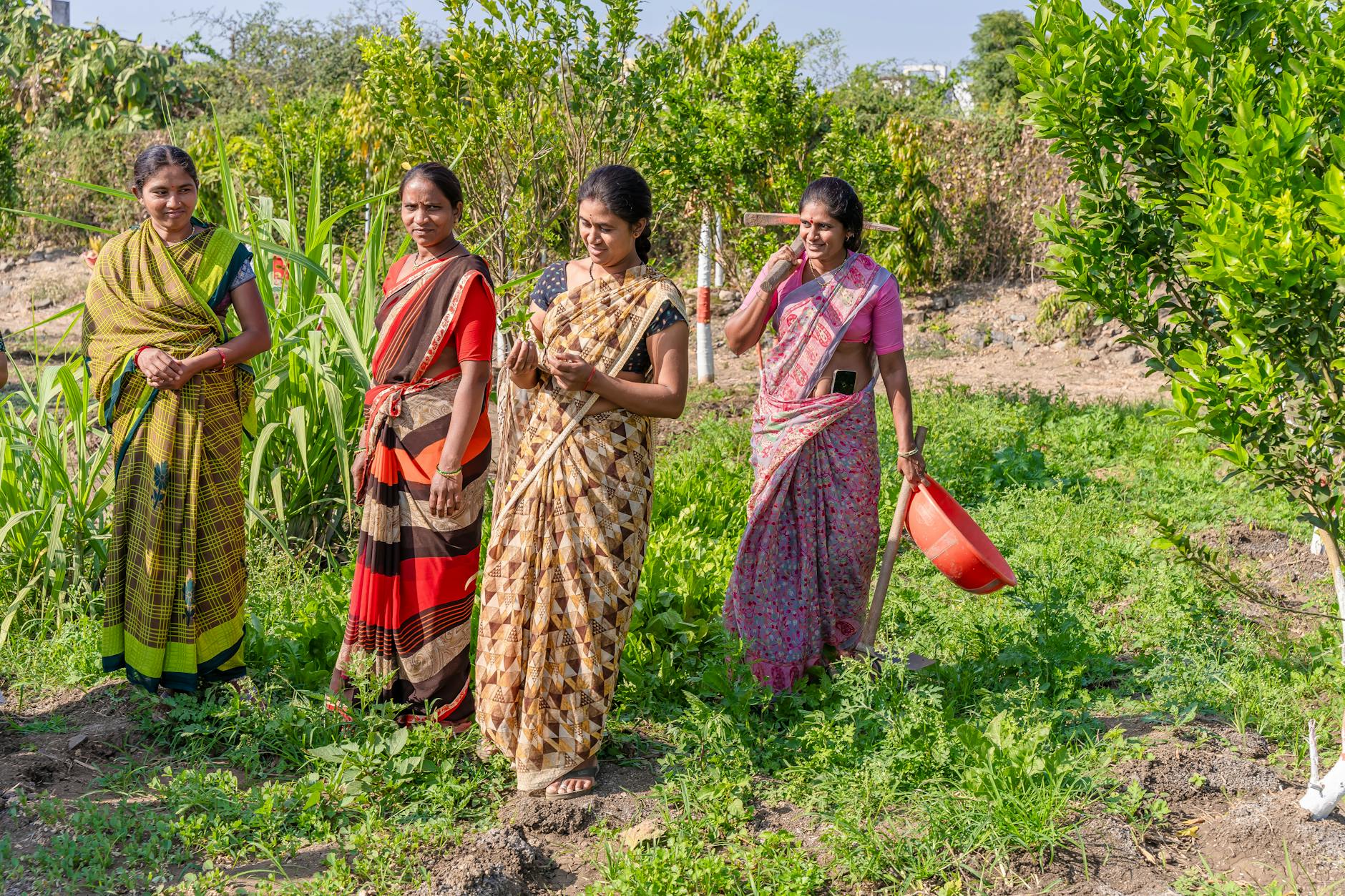
Agriculture is the backbone of many economies around the world, providing food, employment, and economic growth. As the global population continues to rise, the demand for skilled agricultural professionals is increasing, making an agriculture training course a vital investment for those looking to pursue a career in this field. With the right training, individuals can gain the knowledge and skills needed to succeed in agriculture, from farming and crop management to animal husbandry and agricultural business management. In this blog post, we will explore the benefits of an agriculture training course and what to expect from such a program.
What to Expect from an Agriculture Training Course
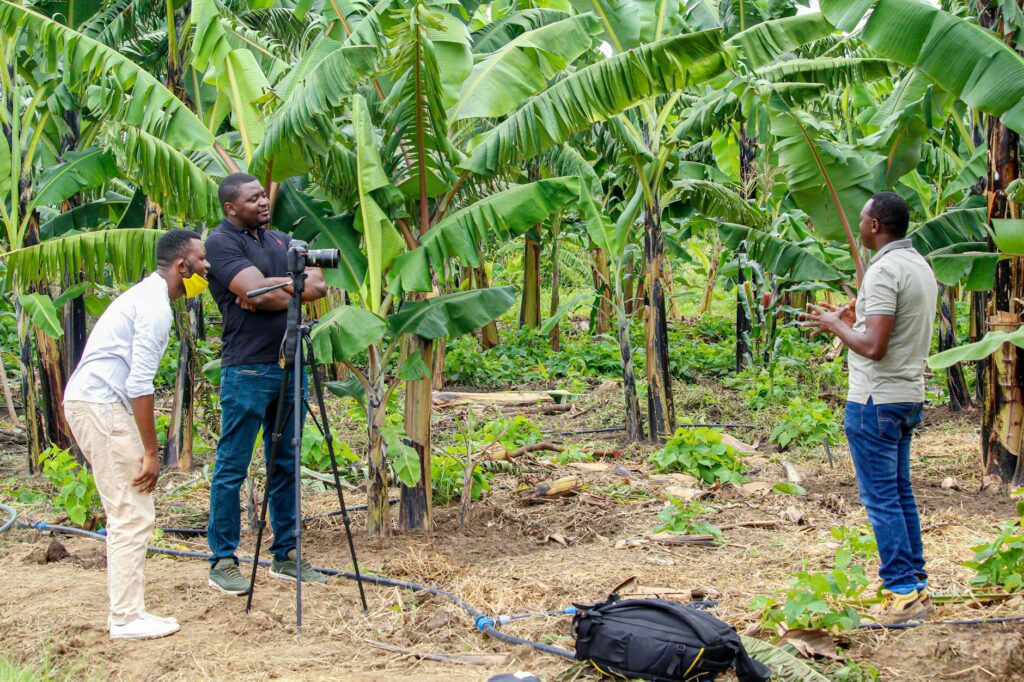
An agriculture training course typically covers a wide range of topics related to agriculture, including crop production, soil science, farm management, and animal health. These courses are designed to provide students with a comprehensive understanding of the principles and practices of agriculture, as well as the skills and knowledge needed to succeed in the industry. Some common topics covered in an agriculture training course include agricultural marketing, agricultural economics, and environmental sustainability.
Types of Agriculture Training Courses
There are many different types of agriculture training courses available, ranging from certificate programs to degree programs. Some courses may focus on specific areas of agriculture, such as organic farming or livestock production, while others may provide a more general education in agriculture. Online courses and distance learning programs are also available, providing flexibility and convenience for those who cannot attend traditional classroom courses. Some popular types of agriculture training courses include:
- Certificate in Agriculture: This course provides a basic understanding of agricultural principles and practices.
- Diploma in Agriculture: This course provides a more advanced understanding of agriculture, including topics such as farm management and agricultural business.
- Degree in Agriculture: This course provides a comprehensive education in agriculture, including topics such as agricultural science, agricultural economics, and environmental sustainability.
Benefits of an Agriculture Training Course
There are many benefits to taking an agriculture training course, including:
- Improved job prospects: An agriculture training course can provide individuals with the skills and knowledge needed to succeed in the agricultural industry, making them more attractive to potential employers.
- Increased earning potential: Skilled agricultural professionals can earn higher salaries than those without formal training, making an agriculture training course a worthwhile investment.
- Personal satisfaction: Working in agriculture can be a rewarding and fulfilling career, allowing individuals to contribute to the production of food and other essential products.
In addition to these benefits, an agriculture training course can also provide individuals with the knowledge and skills needed to start their own agricultural business, such as a farm or ranch. With the right training, individuals can turn their passion for agriculture into a successful and profitable career. Whether you are just starting out in agriculture or looking to advance your career, an agriculture training course is an excellent way to gain the skills and knowledge needed to succeed in this field.
Conclusion

In conclusion, an agriculture training course is a vital investment for anyone looking to pursue a career in agriculture. With the right training, individuals can gain the knowledge and skills needed to succeed in this field, from farming and crop management to animal husbandry and agricultural business management. Whether you are looking to start your own agricultural business or advance your career, an agriculture training course is an excellent way to achieve your goals. By providing a comprehensive education in agriculture, these courses can help individuals turn their passion for agriculture into a successful and rewarding career.
🌱 Trusted global agriculture training platforms
- 👉 https://www.fao.org/elearning
- 👉 https://www.coursera.org/courses?query=agriculture
- 👉 https://www.edx.org/learn/agriculture
This post really highlights the growing importance of structured agriculture training, especially as we face increasing global food demands. It’s great to see a focus on both traditional farming skills and modern practices like environmental sustainability. I’d love to hear more about how these programs adapt to regional agricultural challenges.
The emphasis on agriculture as a vital investment for building a career in this field really resonates, especially given the growing global demand for skilled professionals. I particularly appreciate how the post highlights the blend of technical skills, like soil science, with essential business aspects such as agricultural economics and marketing. It’s refreshing to see a training overview that balances the practical farming side with the strategic management needed for modern sustainability.
The emphasis on skills like agricultural economics and environmental sustainability is exactly what the industry needs as we prepare for the growing demands of 2026. It is refreshing to see a training program that balances traditional crop management with the modern business strategies required for today’s farmers. These courses truly bridge the gap between theoretical knowledge and the practical realities of running a sustainable farm.
It’s insightful to see how the rising global population is driving the need for specialized agricultural training, especially with the focus on modern topics like soil science and farm management. I particularly appreciated the mention of environmental sustainability as a core component, since balancing productivity with ecological responsibility is crucial for the future of the industry.