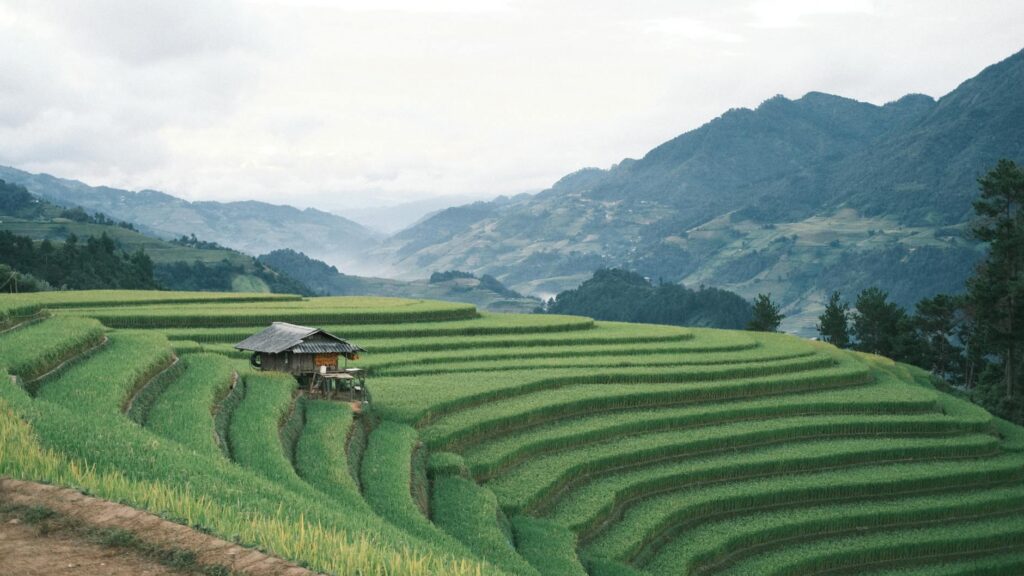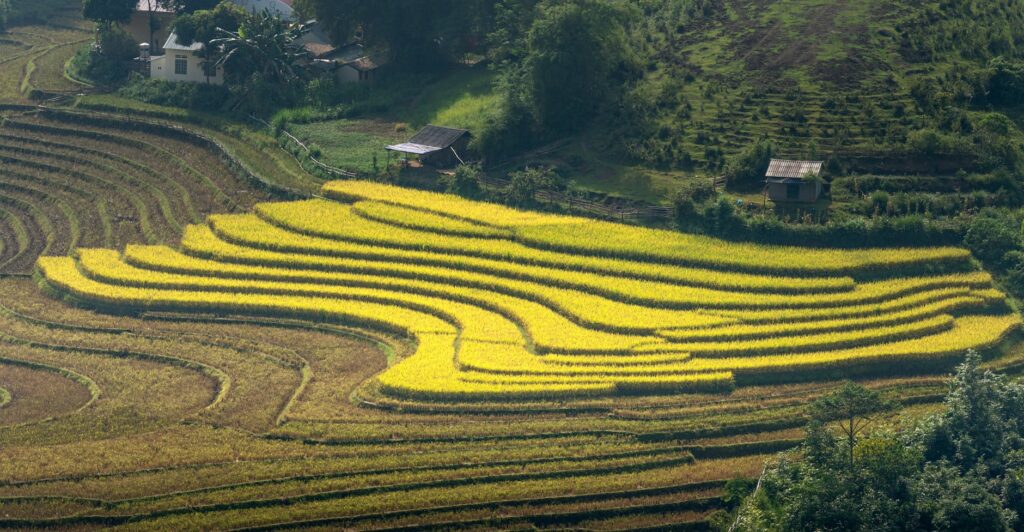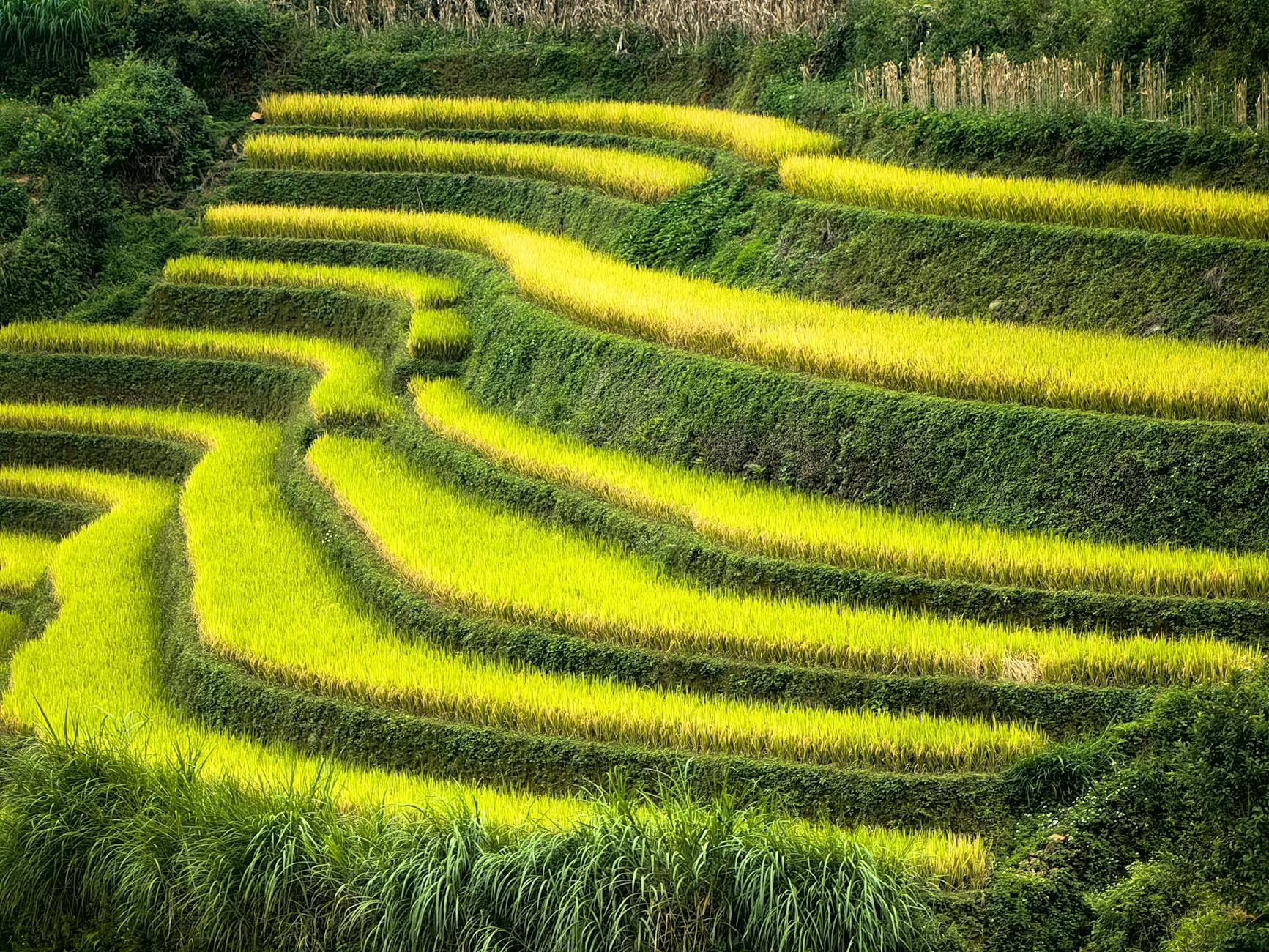
Terrace farming is an ancient and effective method of farming that has been used for centuries, particularly in mountainous and hilly regions. This technique involves creating flat plots of land, known as terraces, on slopes to prevent soil erosion and promote more efficient use of water and land resources. By adopting terrace farming, farmers can significantly reduce soil erosion, increase crop yields, and promote sustainable agriculture.
Sustainable Food and Agriculture | FAO
What is Terrace Farming?
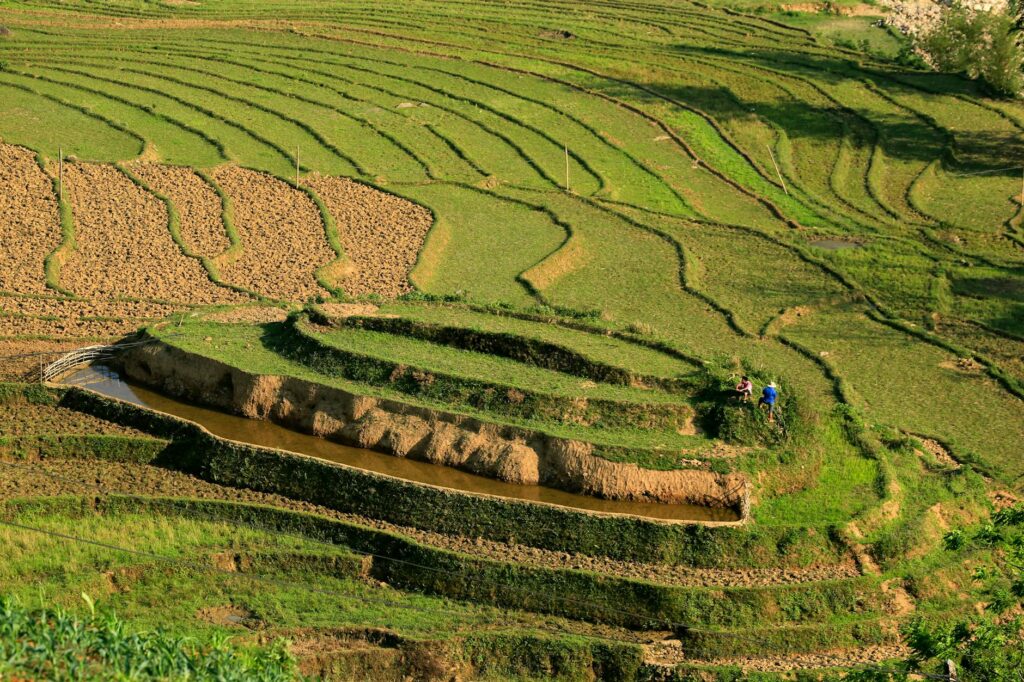
Terrace farming is a type of farming that involves the construction of flat or gently sloping plots of land on hillsides or mountainous terrain. These terraces are typically created by building stone or earth walls to hold back the soil and prevent it from being washed away by rain or irrigation. The resulting flat plots of land can be used to grow a variety of crops, including grains, fruits, and vegetables.
Benefits of Terrace Farming
The benefits of terrace farming are numerous. Some of the most significant advantages include:
- Reduced soil erosion: By creating flat plots of land, terrace farming helps to reduce soil erosion and prevent the loss of fertile topsoil.
- Increased crop yields: Terrace farming allows for more efficient use of water and land resources, resulting in higher crop yields and improved agricultural productivity.
- Promotion of sustainable agriculture: Terrace farming is a sustainable and environmentally friendly method of farming that promotes the conservation of natural resources and the reduction of pollution.
Techniques and Methods of Terrace Farming
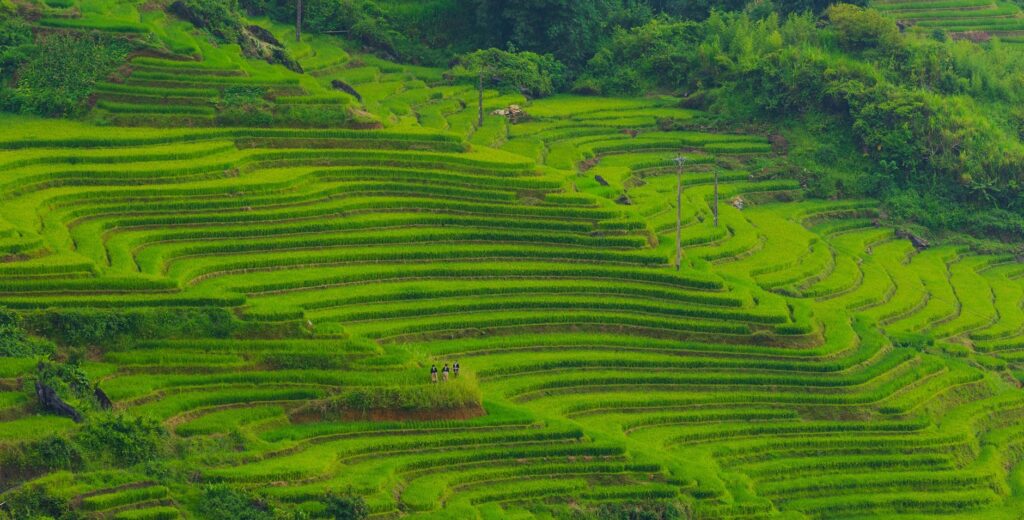
There are several techniques and methods that are used in terrace farming, including:
- Contour farming: This involves planting crops across the slope, rather than up and down, to reduce soil erosion and promote more efficient use of water.
- Strip cropping: This involves planting crops in narrow strips, usually across the slope, to reduce soil erosion and promote soil conservation.
- Cover cropping: This involves planting crops between crop cycles to protect the soil from erosion and promote soil fertility.
In addition to these techniques, terrace farming also involves the use of conservation tillage, which reduces the amount of soil disturbance and promotes soil conservation. By adopting these techniques and methods, farmers can reduce soil erosion, promote sustainable agriculture, and increase crop yields.
Challenges and Limitations of Terrace Farming
While terrace farming offers numerous benefits, there are also several challenges and limitations to consider. Some of the most significant challenges include:
- High initial investment: The construction of terraces can require a significant initial investment, which can be a barrier for small-scale farmers.
- Labour-intensive: Terrace farming can be labour-intensive, particularly during the construction phase, which can be a challenge for farmers with limited labour resources.
- Limited accessibility: Terrace farming may not be suitable for all types of terrain, particularly steep or rocky slopes, which can limit its accessibility.
Despite these challenges, terrace farming remains a viable and sustainable method of farming that can promote soil conservation, reduce soil erosion, and increase crop yields. By adopting this technique, farmers can contribute to a more sustainable and environmentally friendly agricultural sector.
In conclusion, terrace farming is an effective and sustainable method of farming that has been used for centuries. By adopting this technique, farmers can reduce soil erosion, promote sustainable agriculture, and increase crop yields. While there are challenges and limitations to consider, the benefits of terrace farming make it a valuable and important contribution to the agricultural sector.