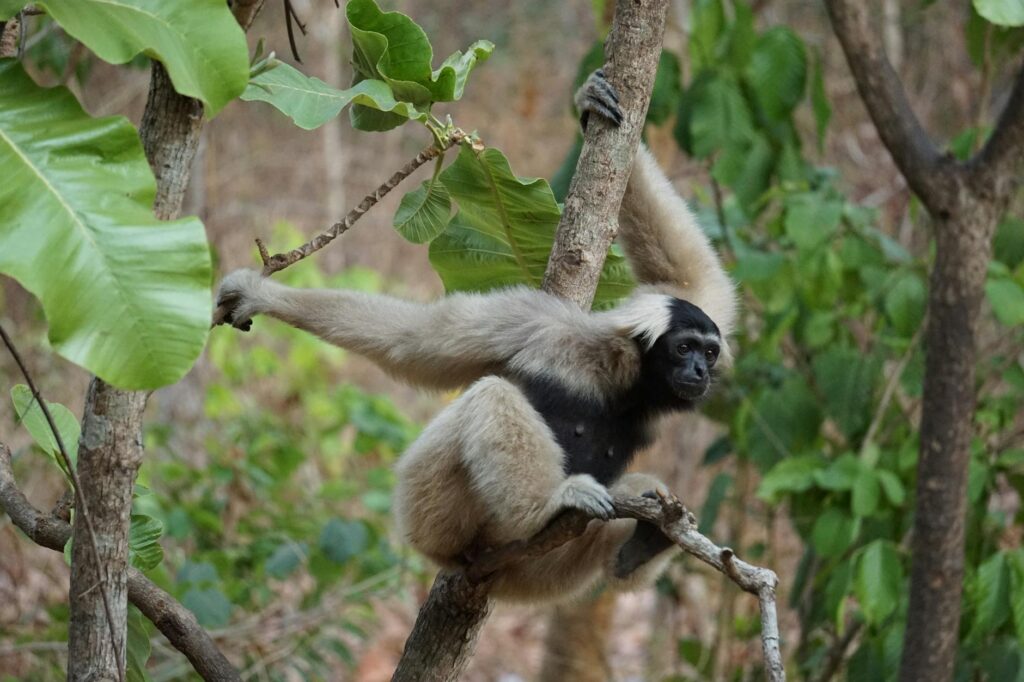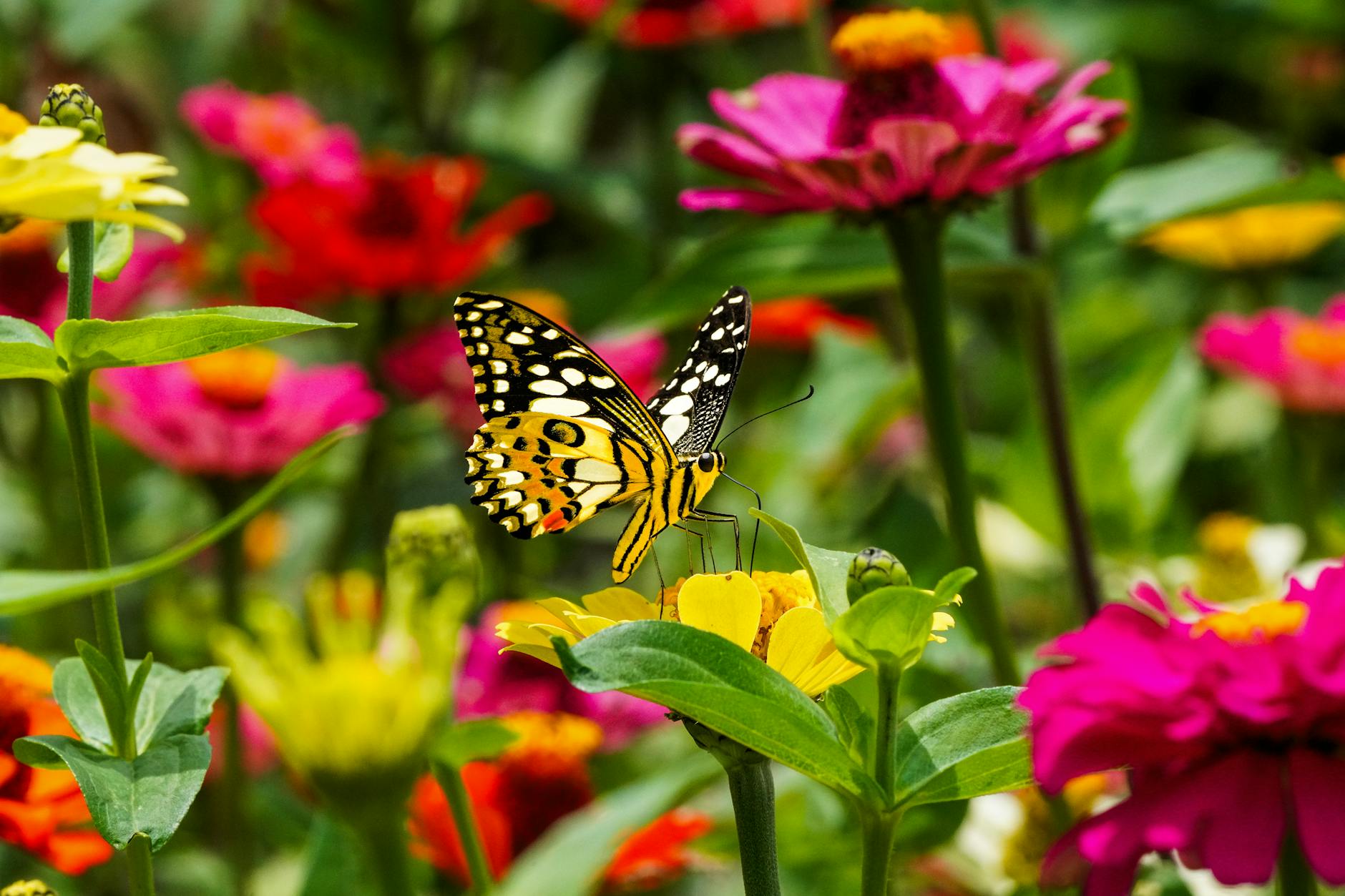
Biodiversity, or the variety of different species of plants, animals, and microorganisms that live in an ecosystem, is a crucial component of a healthy and thriving environment. The term biodiversity was first coined in the 1980s, and since then, it has become a widely accepted concept in the fields of ecology, conservation, and sustainability. The preservation of biodiversity is essential for maintaining the delicate balance of nature, and its loss can have severe consequences for the health of our planet.
The importance of biodiversity cannot be overstated. It is estimated that there are between 8.7 and 30 million species on Earth, although only about 1.3 million have been formally described. These species play a vital role in maintaining the health of ecosystems, from the tiniest microbe to the mightiest tree. The loss of biodiversity can have a ripple effect throughout an ecosystem, leading to the decline or extinction of other species that depend on it.
The Importance of Preserving Biodiversity
- Biodiversity and sustainable farming insights: GREEN Foundation
- Conservation and climate-resilient agriculture: Nexus3P Environmental Impact
- Wildlife and ecosystem restoration programs: Keystone Foundation – Biodiversity Conservation
- Biodiversity management in agriculture: Sustainable Agriculture Network
- Organic farming and environmental conservation: HE-MAA Trust
- Research paper on biodiversity conservation: Journal of Sustainable Solutions
- Climate-smart agriculture and biodiversity: ITC Biodiversity Conservation Programme
- Agroforestry and biodiversity resilience: Vi Agroforestry
- Community-based agrobiodiversity conservation: Sustainability Shiksha – MSSRF Model
- Biodiversity in agriculture explained: Syngenta – Biodiversity in Agriculture
Preserving biodiversity is essential for maintaining the health of ecosystems and the services they provide. These services include air and water purification, soil formation, and climate regulation, among others. The loss of biodiversity can have severe consequences for human health, as well. For example, many medicines are derived from plants and animals, and the loss of these species can limit our ability to develop new treatments for diseases.
Threats to Biodiversity
There are many threats to biodiversity, including habitat destruction, climate change, pollution, and overexploitation of resources. The clearance of forests for agriculture and urbanization has led to the destruction of habitats and the loss of many species. Climate change is also having a significant impact on biodiversity, as changing weather patterns and rising temperatures alter the distribution and abundance of species.
The consequences of losing biodiversity can be severe. For example, the loss of pollinators such as bees and butterflies can have a significant impact on food production, as many crops rely on these species for pollination. The loss of coral reefs, which are some of the most diverse ecosystems on the planet, can have a significant impact on the fishing industry and the livelihoods of people who depend on it.
Conservation Efforts to Protect Biodiversity
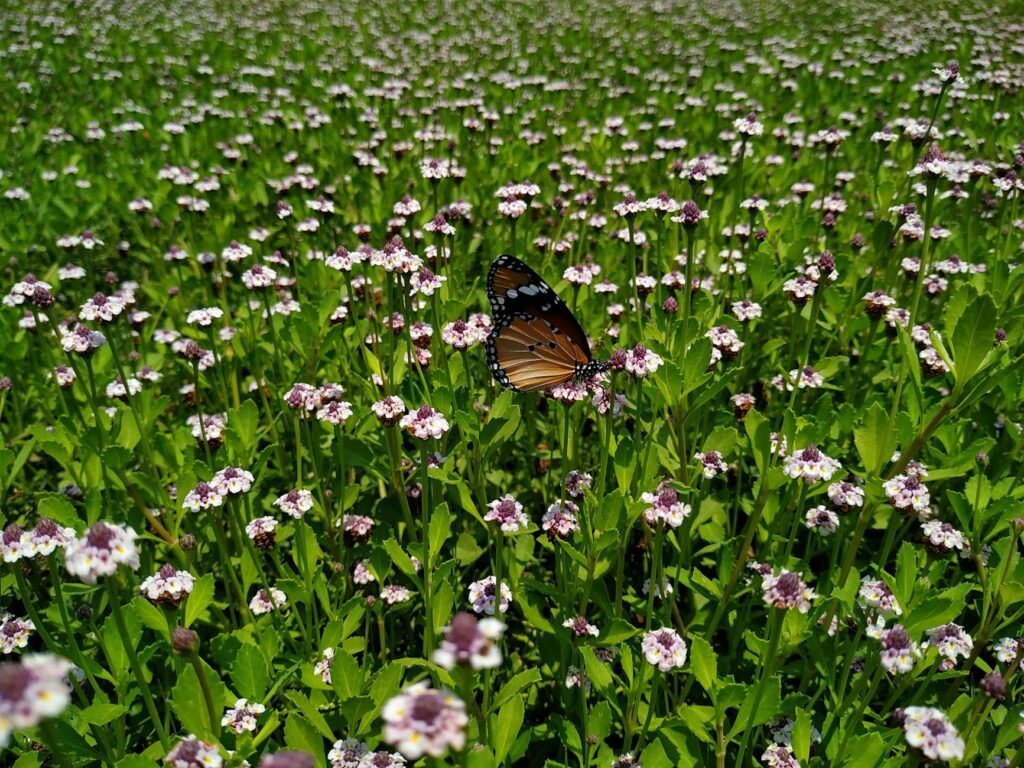
There are many conservation efforts underway to protect biodiversity. These efforts include the establishment of protected areas such as national parks and wildlife reserves, the restoration of degraded habitats, and the reintroduction of extinct species. Additionally, many organizations and governments are working to reduce the impact of human activities on the environment, such as reducing greenhouse gas emissions and promoting sustainable agriculture practices.
Individuals can also play a role in protecting biodiversity by making conscious choices in their daily lives. For example, choosing to buy sustainable products, reducing energy consumption, and supporting conservation efforts can all help to reduce the impact of human activities on the environment. By working together, we can help to preserve the natural world and all its wonders for future generations.
- Support conservation efforts by donating to reputable organizations
- Make sustainable choices in your daily life, such as reducing energy consumption and using public transport
- Spread awareness about the importance of biodiversity and the need to protect it
- Get involved in local conservation projects and volunteer your time to help protect the environment
In conclusion, biodiversity is a vital component of a healthy and thriving environment, and its preservation is essential for maintaining the delicate balance of nature. By understanding the importance of biodiversity and taking action to protect it, we can help to ensure the long-term health of our planet and all its inhabitants.
- Learn more about the importance of biodiversity and the threats it faces
- Get involved in conservation efforts and support organizations working to protect the environment
- Make sustainable choices in your daily life to reduce your impact on the environment
Together, we can make a difference and help to preserve the natural world for future generations. The preservation of biodiversity is a collective responsibility, and it requires the efforts of individuals, organizations, and governments around the world. By working together, we can help to ensure the long-term health of our planet and all its inhabitants.