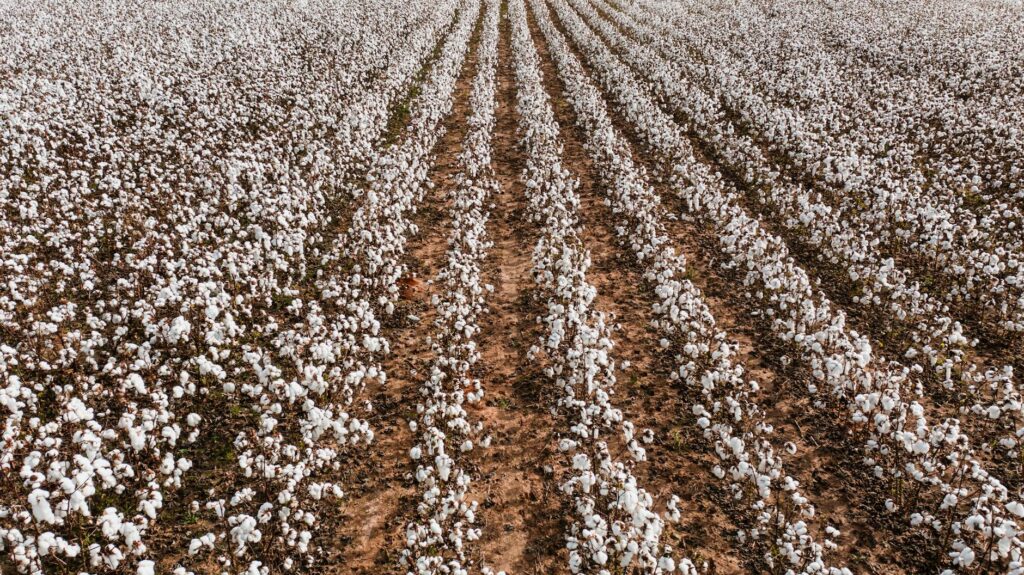
The term monoculture definition refers to the practice of cultivating a single crop or species in a given area, often to the exclusion of other crops or species. This approach to agriculture and land management has been widely adopted in many parts of the world, particularly in regions where large-scale farming operations are common. While monoculture can offer certain advantages, such as increased efficiency and reduced costs, it also has several drawbacks, including the loss of biodiversity and increased vulnerability to disease and pests.
At its core, the monoculture definition is rooted in the idea of simplifying and streamlining agricultural production. By focusing on a single crop or species, farmers and agricultural managers can optimize their operations and reduce the complexity of their work. This can lead to increased yields and lower costs, making it an attractive option for those looking to maximize their profits. However, this approach also has significant environmental and social implications, and it is essential to carefully consider these factors when deciding whether to adopt a monoculture system.
Understanding the Monoculture Definition
- Sustainable farming practices guide: Rodale Institute – Regenerative Organic Agriculture
- Crop rotation vs monoculture explained: Environmental Literacy Council – Monoculture Agriculture (The Environmental Literacy Council)
- Soil health and biodiversity research: ScienceDirect – Monoculture Overview (ScienceDirect)
- Organic farming alternatives to monoculture: Food Revolution Network – Monocropping Guide (Food Revolution Network)
- Permaculture and mixed farming systems: Permaculture Research Institute
- Agriculture biodiversity insights: Epic Gardening – What is a Monoculture? (epicgardening.com)
In order to fully understand the monoculture definition, it is essential to examine the different types of monoculture that exist. These include crop monoculture, where a single crop is cultivated in a given area, and species monoculture, where a single species is raised or cultivated. Both of these approaches have their own unique characteristics and implications, and it is crucial to consider these factors when deciding which type of monoculture to adopt.
Types of Monoculture
There are several different types of monoculture, each with its own strengths and weaknesses. Some of the most common types of monoculture include:
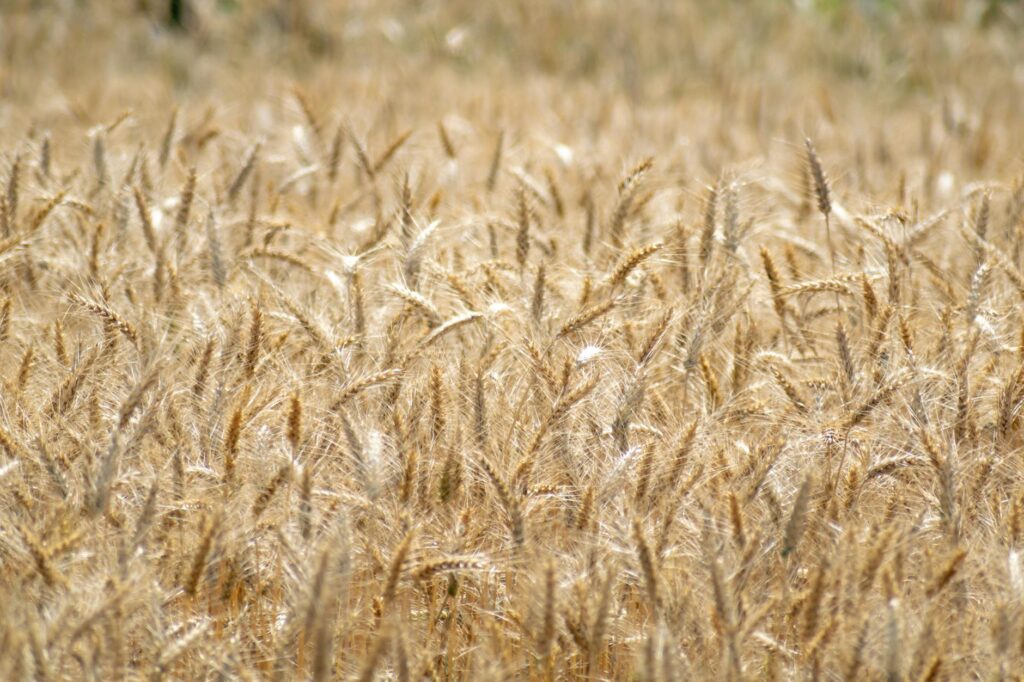
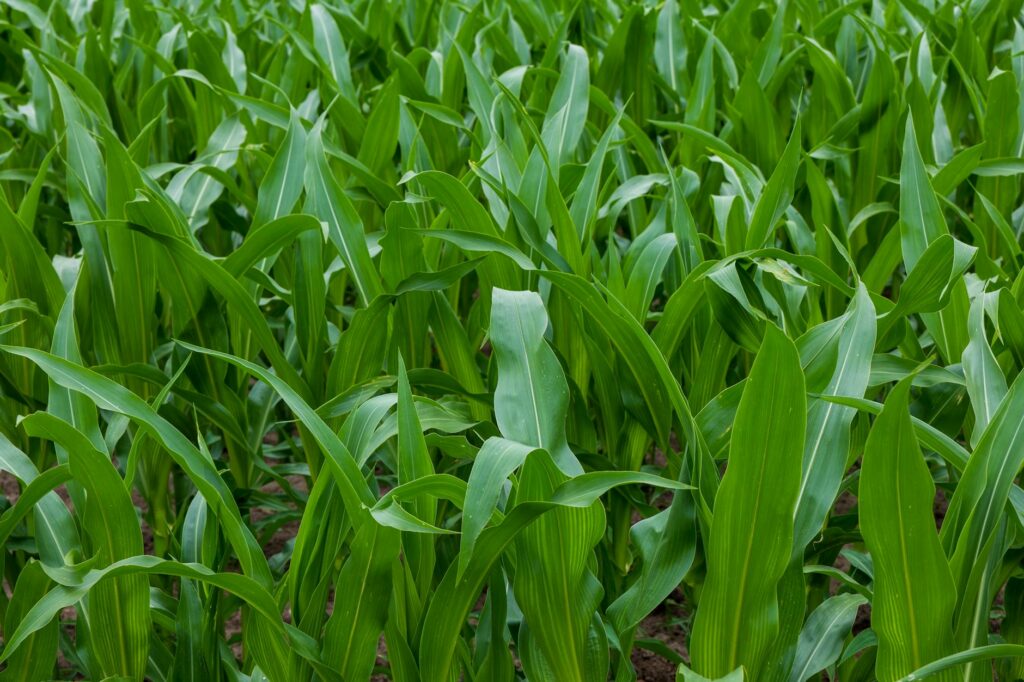
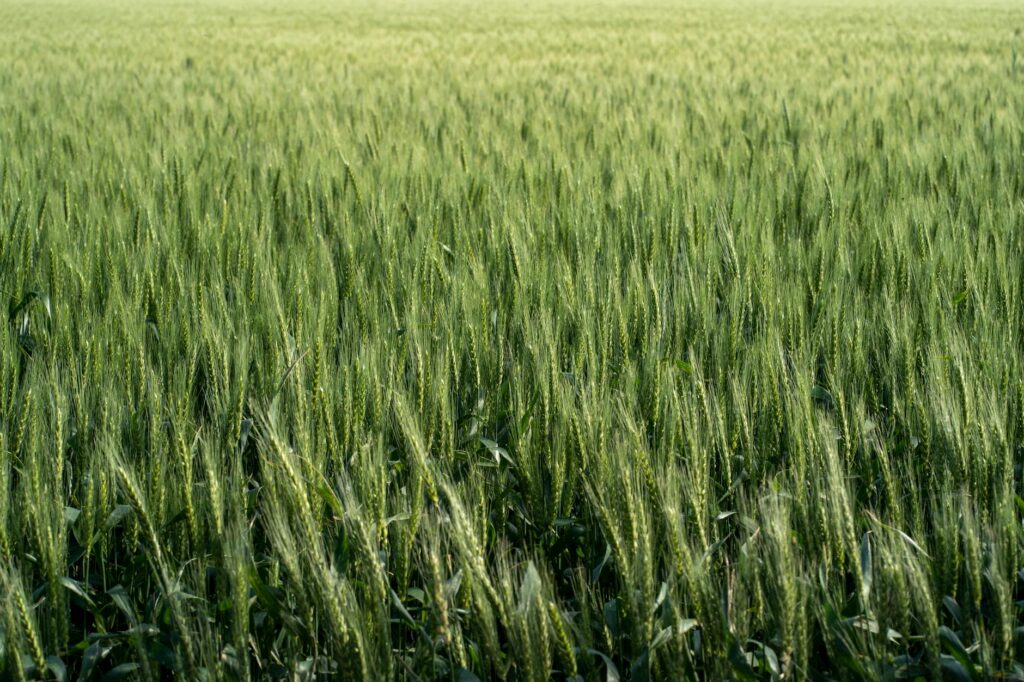
- Crop monoculture: This type of monoculture involves the cultivation of a single crop in a given area. Examples of crop monoculture include cornfields and wheat fields.
- Species monoculture: This type of monoculture involves the raising or cultivation of a single species. Examples of species monoculture include cattle ranches and chicken farms.
- Genetic monoculture: This type of monoculture involves the cultivation of a single genetic strain of a particular crop or species. Examples of genetic monoculture include genetically modified corn and soybeans.
Each of these types of monoculture has its own unique characteristics and implications, and it is essential to carefully consider these factors when deciding which type of monoculture to adopt. By understanding the different types of monoculture and their respective advantages and disadvantages, farmers and agricultural managers can make informed decisions about which approach is best for their specific needs and goals.
The Impact of Monoculture
The impact of monoculture definition on the environment and society is significant. One of the primary concerns associated with monoculture is the loss of biodiversity. When a single crop or species is cultivated in a given area, it can lead to the displacement of other crops or species, resulting in a decline in biodiversity. This can have significant environmental implications, including the loss of ecosystem services and the increased vulnerability of crops and species to disease and pests.
In addition to the environmental implications, monoculture also has significant social implications. The adoption of monoculture can lead to the displacement of small-scale farmers and the concentration of land ownership in the hands of a few large-scale farmers or corporations. This can result in the loss of traditional farming practices and the cultural heritage associated with them, as well as the increased vulnerability of rural communities to economic and environmental shocks.
In order to mitigate the negative impacts of monoculture, it is essential to adopt a more sustainable and diversified approach to agriculture and land management. This can involve the cultivation of multiple crops or species, as well as the use of agroecological practices that prioritize soil health, biodiversity, and ecosystem services. By adopting a more holistic and sustainable approach to agriculture, we can reduce the negative impacts of monoculture and promote a more equitable and environmentally sustainable food system.
In conclusion, the monoculture definition is a complex and multifaceted concept that has significant implications for the environment, society, and the economy. While monoculture can offer certain advantages, such as increased efficiency and reduced costs, it also has several drawbacks, including the loss of biodiversity and increased vulnerability to disease and pests. By understanding the different types of monoculture and their respective advantages and disadvantages, we can make informed decisions about which approach is best for our specific needs and goals, and promote a more sustainable and equitable food system.