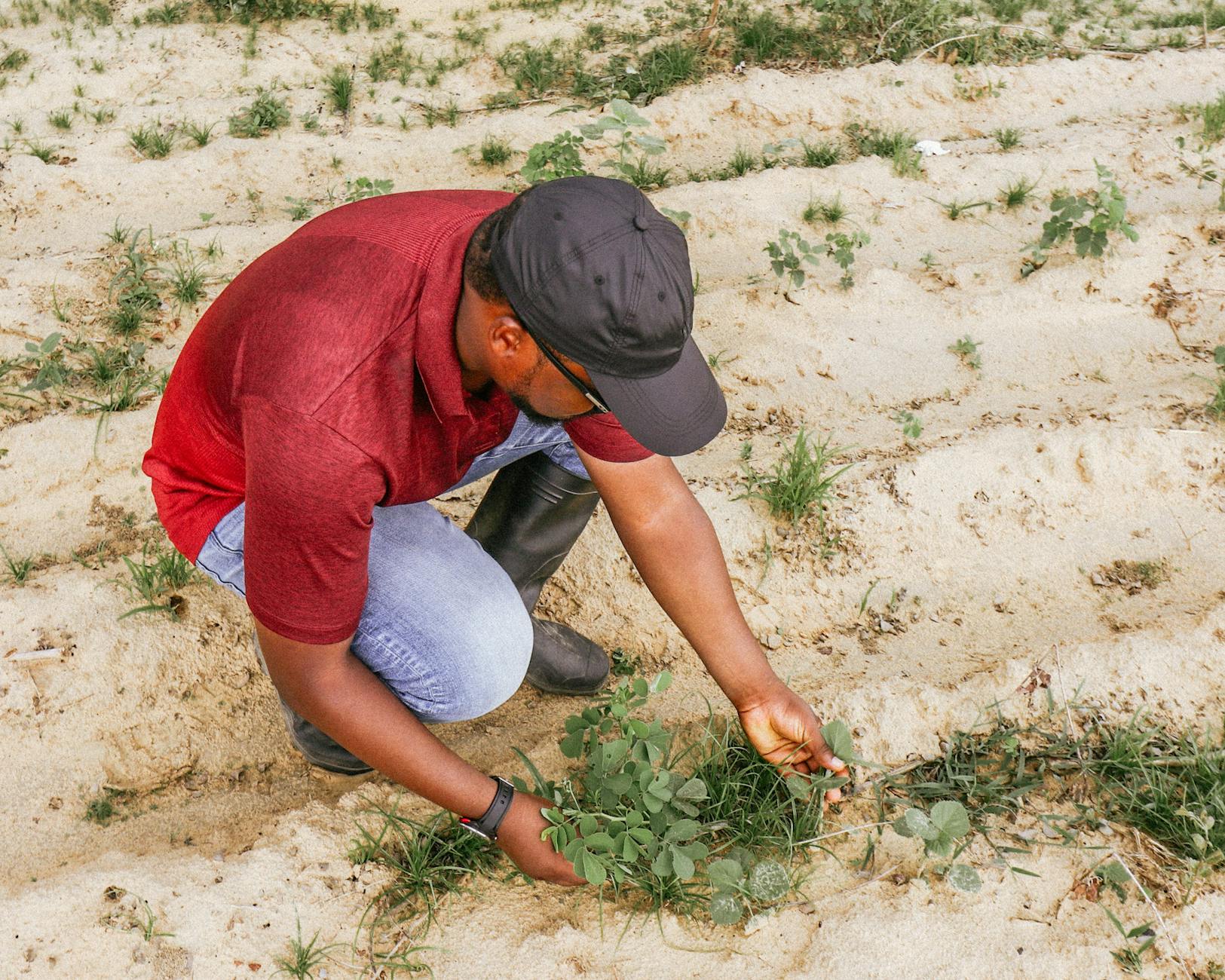
Introduction to Sustainable Agriculture
Sustainable agriculture practices have become a vital component of modern farming, as the world grapples with the challenges of climate change, environmental degradation, and food security. These practices not only promote eco-friendly farming methods but also ensure the long-term viability of agricultural production. In this blog post, we will delve into the world of sustainable agriculture, exploring its benefits, impact on farmers, and providing valuable tips for those looking to adopt these practices.
5 Ways Interseeding Can Change the Farming Landscape
The Current State of Agriculture
The current state of agriculture is marked by significant challenges, including soil degradation, water scarcity, and loss of biodiversity. The intensive use of chemical fertilizers and pesticides has led to soil pollution, while the over-extraction of groundwater has resulted in water scarcity. Moreover, the increasing demand for food production has led to the clearance of forests, resulting in loss of biodiversity and ecosystem disruption. To address these challenges, sustainable agriculture practices have emerged as a viable solution.
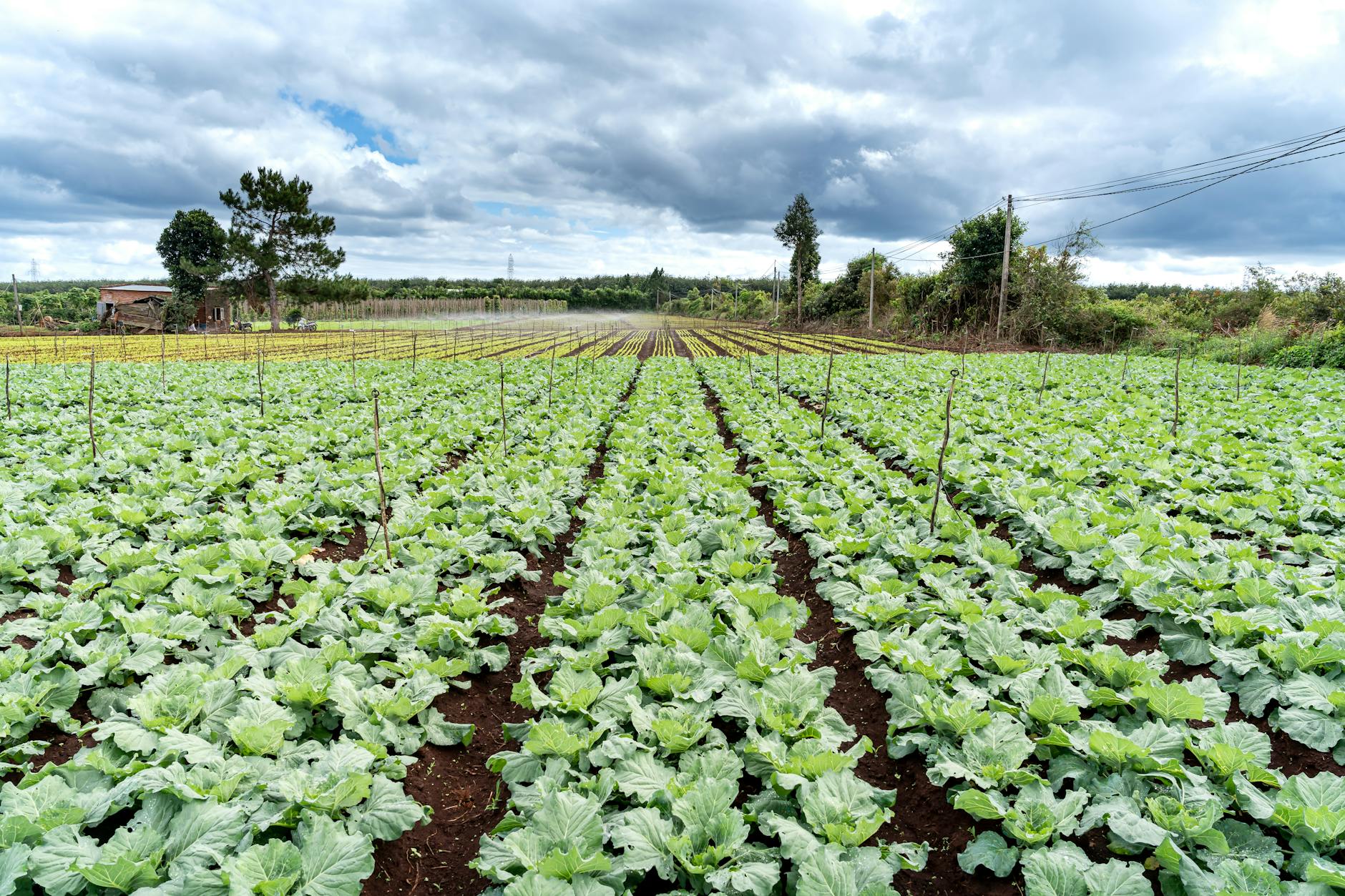
Impact on Farmers
Sustainable agriculture practices have a significant impact on farmers, both positively and negatively. On the positive side, these practices can increase crop yields, improve soil health, and reduce the use of chemical fertilizers and pesticides. This, in turn, can lead to cost savings and improved profitability for farmers. However, the adoption of sustainable agriculture practices can also require significant upfront investments, including the purchase of new equipment and training. Moreover, the transition to sustainable agriculture practices can be time-consuming and may require significant changes to farming methods.
https://www.fao.org/sustainability/en/
Tips for Sustainable Agriculture Practices
For farmers looking to adopt sustainable agriculture practices, here are some valuable tips:
- Use crop rotation and intercropping to promote soil health and biodiversity
- Implement conservation tillage to reduce soil erosion and improve water retention
- Use organic fertilizers and pesticides to reduce chemical use and promote ecosystem health
- Invest in renewable energy sources, such as solar and wind power, to reduce dependence on fossil fuels
- Implement integrated pest management (IPM) practices to minimize the use of chemical pesticides
Benefits of Sustainable Agriculture
The benefits of sustainable agriculture practices are numerous and well-documented. These practices can: improve soil health, increase crop yields, and reduce the use of chemical fertilizers and pesticides. Additionally, sustainable agriculture practices can help to mitigate climate change by reducing greenhouse gas emissions and promoting carbon sequestration. Moreover, these practices can also promote ecosystem health by preserving biodiversity and maintaining ecosystem services.
Conclusion
In conclusion, sustainable agriculture practices are essential for promoting eco-friendly farming methods, ensuring the long-term viability of agricultural production, and addressing the challenges of climate change, environmental degradation, and food security. By adopting these practices, farmers can improve soil health, increase crop yields, and reduce the use of chemical fertilizers and pesticides. As the world continues to grapple with the challenges of sustainable agriculture, it is essential that we promote and support the adoption of these practices, both locally and globally.
Great post! I think it’s especially crucial to explore how sustainable practices like interseeding can both improve soil health and help farmers combat issues like water scarcity. I also love how the post highlights the long-term viability of these methods for farming communities.
The shift toward sustainable agriculture isn’t just a trend—it’s a necessary evolution given the environmental and economic challenges facing farmers today. I especially appreciated how the post highlighted the long-term benefits of practices like interseeding, which can improve soil health and crop resilience. It’s encouraging to see more focus on solutions that support both the planet and the livelihoods of those who feed us.