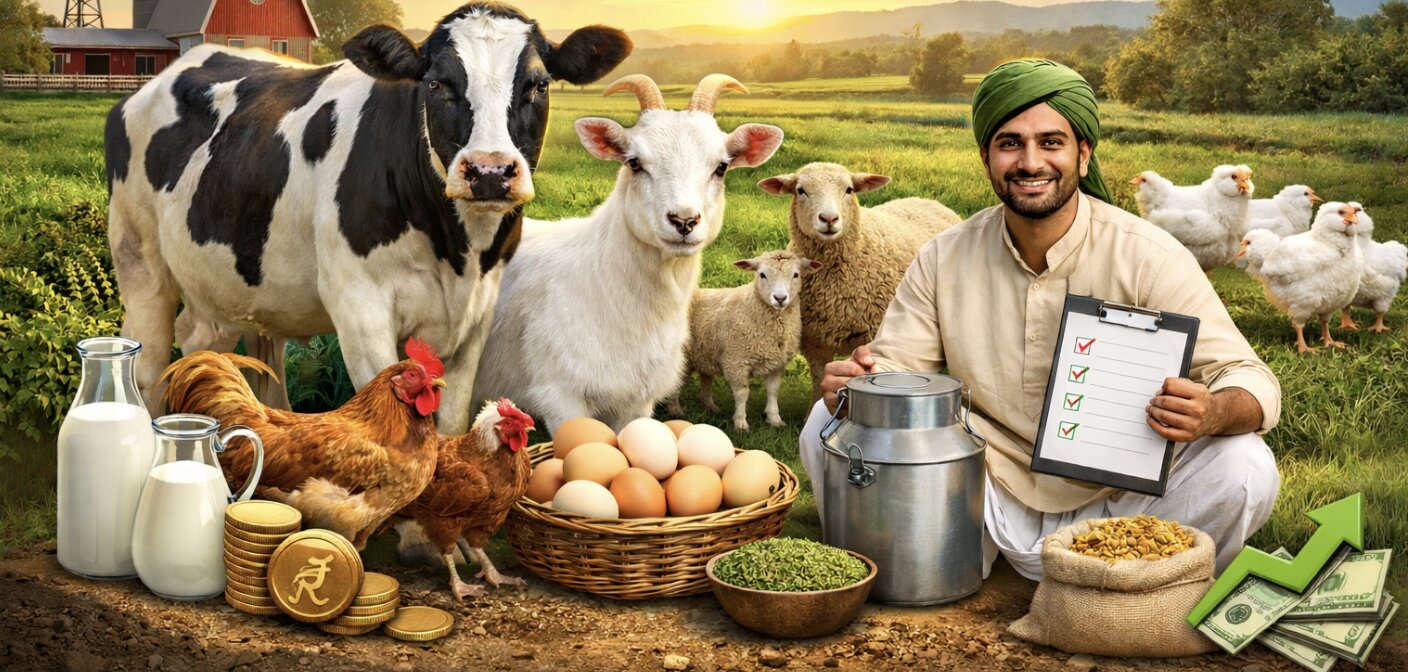
India has a wide variety of agricultural methods, making it one of the most diverse systems in the world. Its food supply is sustained by the country-level combination of types of agriculture, different types of farming, and differing farming methods, ranging from age-old practices inherited from ancestors to scientific farming of the latest kind, which India has adopted at various places. These differentials among the practices of agriculture depend extensively on factors like climate, soil, water, and regional necessities. These types of agriculture in India help the farmers to grow more productivity.
In this blog, we will discuss the top 10 types of farming in India, additional agriculture methods, benefits, examples, crops grown, and state-wise practices. Besides this, the article also covers traditional, modern, organic, natural, commercial, and specialized methods to provide a complete understanding to learners, farmers, researchers, and students.
What is Farming?
Farming involves the planned methods of growing plant products and raising animals that provide food, fiber, raw materials, and other essential resources. These types of farming in India depend upon various aspects such as:
Soil fertility
Climate conditions
Water availability
Technology usage
Purpose of farming
Farm size and resources
India is using the methods of traditional farming, modern farming, and mixed systems to satisfy the demands of both household consumption and the market. Farmers, by knowing these differences, can make a decision to use the appropriate method, and thus, they can achieve a higher yield. Understanding the different types of agriculture helps farmers choose suitabl