Introduction to Crop Yield Optimization
Crop yield optimization is a crucial aspect of modern farming, as it directly impacts the productivity and profitability of agricultural endeavors. With the global population projected to reach 9 billion by 2050, the need to maximize crop yields has never been more pressing. In this article, we will delve into the various techniques that farmers can employ to optimize their crop yields and contribute to a more food-secure future.
The Current State of Crop Yield Optimization
Despite advances in agricultural technology and farming practices, many farmers still struggle to achieve optimal crop yields. Factors such as soil degradation, water scarcity, and climate change can all negatively impact crop growth and productivity. Furthermore, the increasing demand for food has led to the expansion of agricultural land, often at the expense of natural habitats and ecosystems. As a result, it is essential for farmers to adopt sustainable and efficient farming practices that prioritize crop yield optimization.
The Impact of Crop Yield Optimization on Farmers
Crop yield optimization can have a significant impact on the livelihoods of farmers and their communities. By maximizing crop yields, farmers can increase their income and improve their economic stability. This, in turn, can lead to improved living standards, better access to education and healthcare, and a reduced risk of poverty. Moreover, crop yield optimization can also contribute to food security, as it helps to ensure that there is a stable and sufficient supply of nutritious food for local communities.
Expert Tips for Crop Yield Optimization
So, what can farmers do to optimize their crop yields? Here are some expert tips:
- Soil Testing and Analysis: Regular soil testing and analysis can help farmers identify nutrient deficiencies and pH imbalances, allowing them to take corrective action and create an optimal growing environment for their crops.
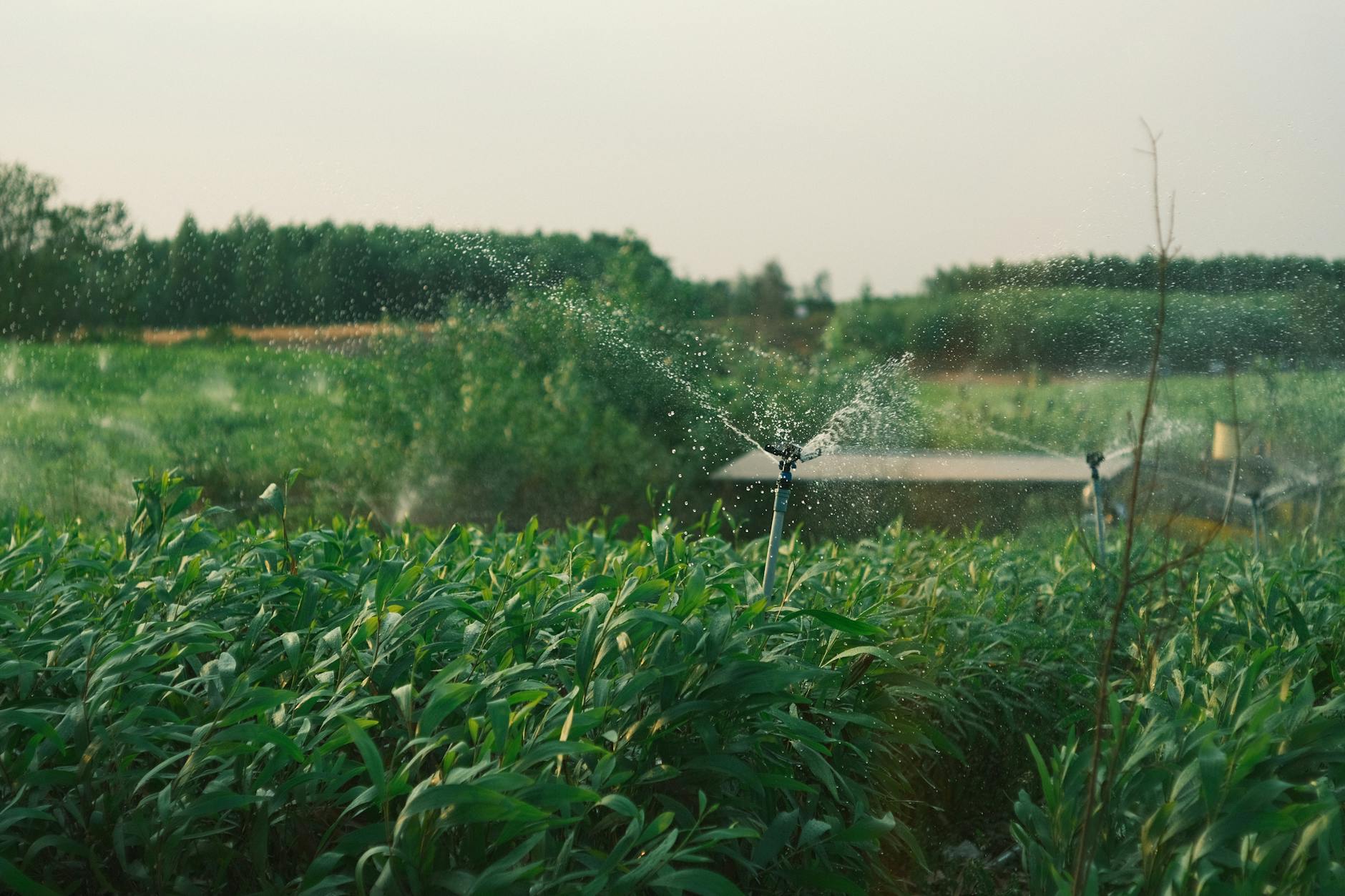
- Irrigation Management: Effective irrigation management is critical for crop yield optimization. Farmers should aim to deliver the right amount of water at the right time, taking into account factors such as soil type, climate, and crop water requirements.
- Crop Selection and Rotation: Choosing the right crops for the local climate and soil conditions can help farmers optimize their yields. Crop rotation can also help to maintain soil fertility, reduce pests and diseases, and promote biodiversity.
- Pest and Disease Management: Integrated pest management (IPM) strategies can help farmers minimize crop losses due to pests and diseases. This can include techniques such as crop monitoring, biological control, and chemical control.
- Technology and Precision Farming: Precision farming technologies, such as drones, satellite imaging, and precision irrigation, can help farmers optimize their crop yields by providing real-time data and insights on crop growth and development.
Conclusion
In conclusion, crop yield optimization is a critical aspect of modern farming that requires a combination of traditional knowledge, technological innovation, and sustainable practices. By adopting the techniques outlined in this article, farmers can improve their crop yields, increase their income, and contribute to a more food-secure future. As the global population continues to grow, it is essential that we prioritize crop yield optimization and work towards a more sustainable and productive agricultural sector.