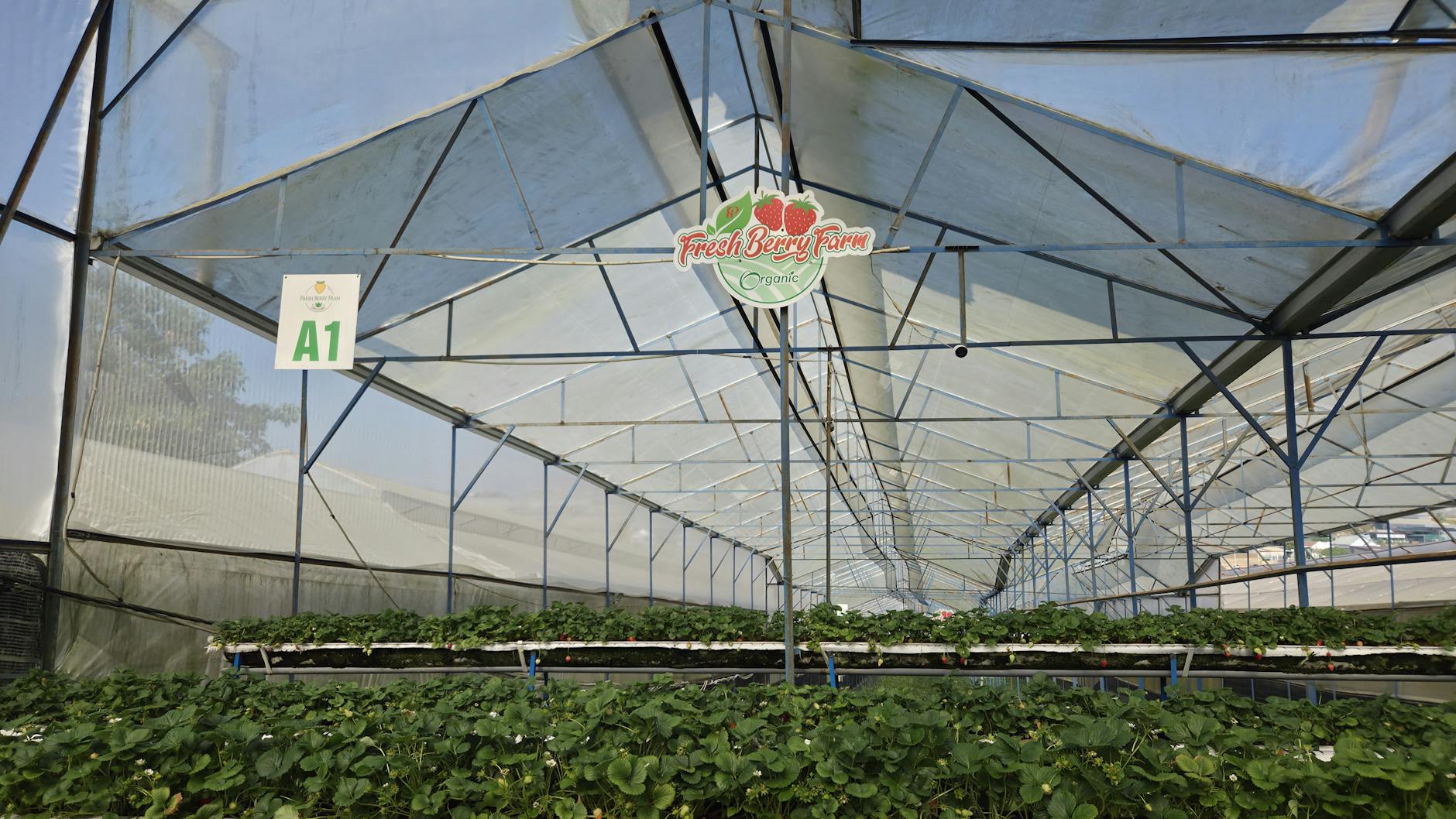
Introduction to Organic Farming Market Trends
Organic farming has been gaining popularity over the years, and the market trends are a testament to its growing demand. With increasing consumer awareness about the importance of sustainable and environmentally friendly farming practices, the organic farming industry is expected to continue its upward trajectory. In this article, we will explore the latest organic farming market trends and provide valuable insights for farmers looking to capitalize on this growing demand.
The Current State of Organic Farming
The organic farming market has experienced significant growth in recent years, with the global market size projected to reach $272.18 billion by 2027. This growth can be attributed to the increasing demand for organic produce, driven by consumer concerns about health, environmental sustainability, and animal welfare. Moreover, government initiatives and policies supporting organic farming have also contributed to the market’s expansion.
Farmer Impact
Organic farming market trends have a significant impact on farmers, who are at the forefront of this industry. Farmers who adopt organic farming practices can benefit from premium prices for their produce, as well as improved soil health and biodiversity. However, they also face challenges such as higher labor costs, limited access to organic inputs, and stringent certification requirements. To overcome these challenges, farmers can explore innovative solutions such as precision agriculture, vertical farming, and community-supported agriculture (CSA) programs.
Tips for Farmers to Capitalize on Organic Farming Market Trends
To capitalize on the growing demand for organic produce, farmers can follow these tips:
- Obtain organic certification: Get certified by a reputable organization to ensure that your farm meets the required standards for organic farming.
- Improve soil health: Use natural methods to improve soil fertility and structure, such as crop rotation, composting, and cover cropping.
- Adopt efficient irrigation systems: Implement water-saving irrigation systems to reduce water waste and minimize environmental impact.
- Explore value-added products: Consider producing value-added products such as organic jams, honey, and sauces to increase revenue and diversify your product offerings.
Conclusion
In conclusion, the organic farming market trends are driven by increasing consumer demand for sustainable and environmentally friendly produce. Farmers who adopt organic farming practices can benefit from premium prices, improved soil health, and increased biodiversity. By following the tips outlined in this article and staying up-to-date with the latest market trends, farmers can capitalize on the growing demand for organic produce and contribute to a more sustainable food system.