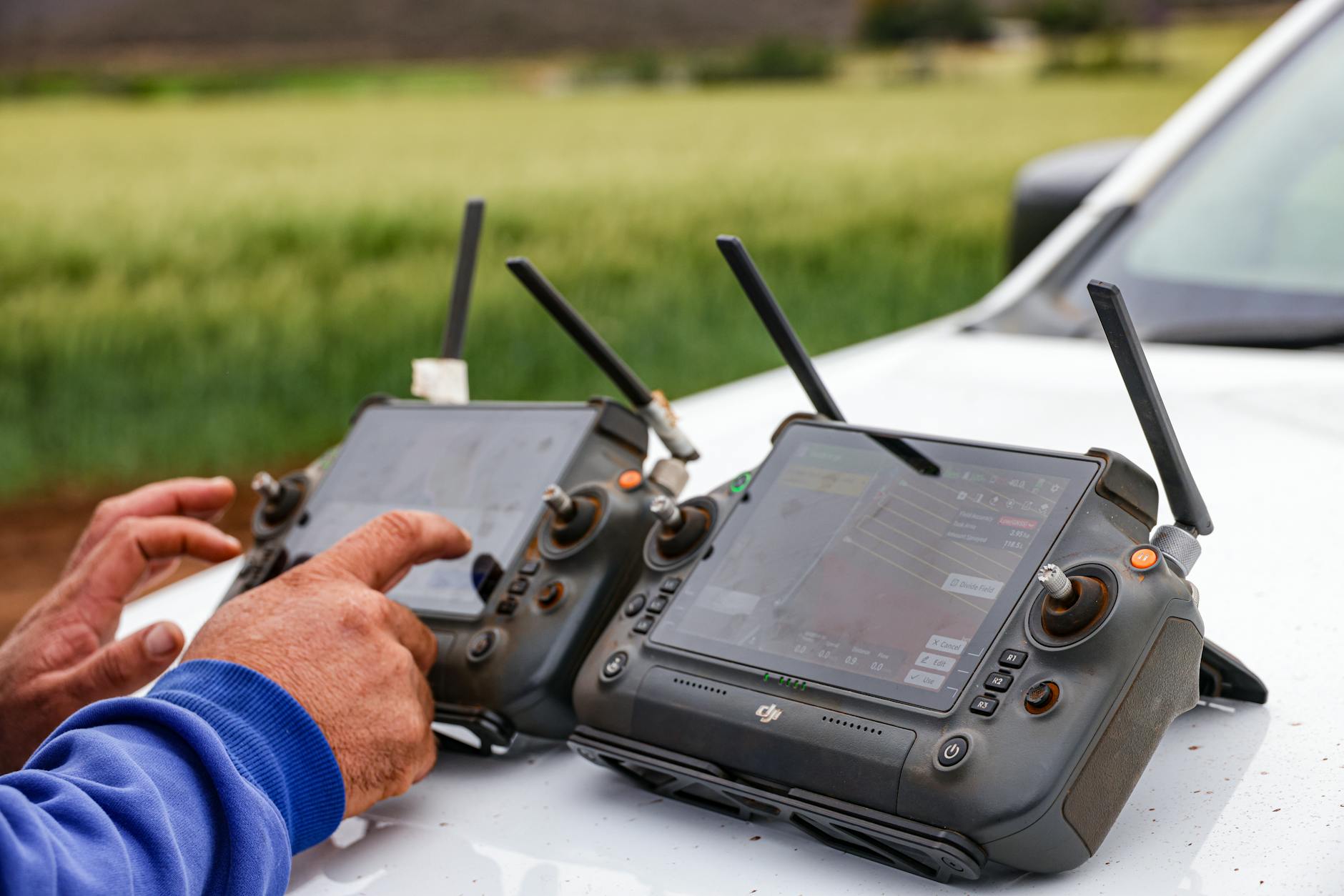
Introduction to Digital Agriculture Technology
Digital agriculture technology is revolutionizing the way farmers manage their farms, from planting and harvesting to monitoring and maintaining their crops. With the help of advanced technologies such as artificial intelligence, IoT sensors, and drones, farmers can now make data-driven decisions to increase crop yields, reduce waste, and improve efficiency. In this article, we will explore the current state of digital agriculture technology adoption and its impact on farmers.
The Current State of Digital Agriculture
The agricultural industry is undergoing a significant transformation, driven by the adoption of digital technologies. According to a recent report, the global digital agriculture market is expected to reach $13.5 billion by 2025, growing at a CAGR of 12.2%. This growth is driven by the increasing demand for food production, government initiatives, and the need for sustainable farming practices.
Farmer Impact: Benefits and Challenges
The adoption of digital agriculture technology has a significant impact on farmers. Some of the benefits include:
- Increased crop yields and improved quality
- Reduced water and fertilizer consumption
- Improved farm management and decision-making
- Enhanced supply chain management and market access
However, there are also challenges associated with the adoption of digital agriculture technology, including:
- High upfront costs and limited access to funding
- Lack of digital literacy and technical expertise
- Concerns about data privacy and security
- Interoperability issues with existing systems
Tips for Farmers: Getting Started with Digital Agriculture
If you’re a farmer looking to adopt digital agriculture technology, here are some tips to get you started:
- Start small: Begin with simple technologies such as mobile apps or cloud-based platforms
- Assess your needs: Identify areas where digital technology can improve your farm management and decision-making
- Seek support: Look for training and support from experts, peers, and online resources
- Monitor and evaluate: Continuously monitor and evaluate the effectiveness of digital technologies on your farm
Conclusion: The Future of Digital Agriculture
In conclusion, digital agriculture technology adoption is transforming the agricultural industry, offering numerous benefits to farmers and the environment. While there are challenges to overcome, the potential rewards are significant. As the industry continues to evolve, it’s essential for farmers, policymakers, and technology providers to work together to ensure that digital agriculture technologies are accessible, affordable, and effective. By doing so, we can create a more sustainable, productive, and food-secure future for all.