
Agricultural fencing is a crucial aspect of farm management, serving as a vital component in maintaining the security and integrity of agricultural lands. The primary purpose of agricultural fencing is to mark boundaries, protect crops, and contain livestock. A well-designed and properly installed fencing system can help farmers prevent livestock escape, reduce predation, and minimize crop damage. In this article, we will delve into the world of agricultural fencing, exploring its importance, types, and best practices for installation and maintenance.
Sustainable Food and Agriculture | FAO
Agricultural Fencing Types and Materials
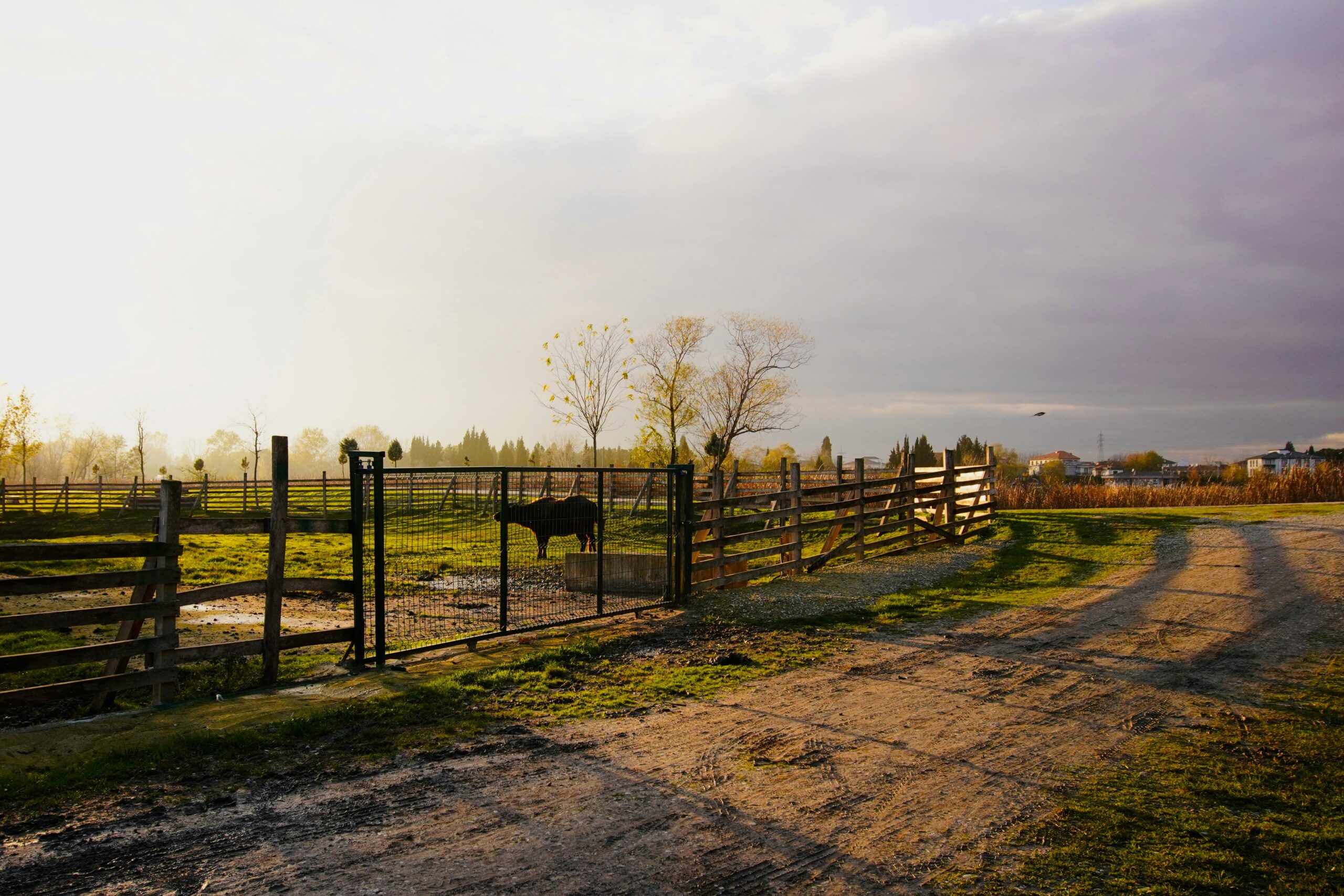
There are various types of agricultural fencing materials available, each with its unique characteristics, advantages, and disadvantages. The most common types of fencing materials used in agricultural settings include wood, metal, and plastic. Wood fencing is a popular choice due to its aesthetic appeal and durability, while metal fencing is preferred for its strength and low maintenance requirements. Plastic fencing, on the other hand, is a cost-effective and lightweight option that is ideal for temporary or seasonal fencing needs.
Sustainable Farming with Terrace Farming
Factors to Consider When Choosing Agricultural Fencing
When selecting an agricultural fencing system, there are several factors to consider, including the type of livestock, crop type, terrain, and climate. For instance, farmers who raise cattle or horses may require more robust fencing materials, such as high-tensile wire or wooden posts, to prevent escape and injury. In contrast, farmers who grow crops such as wheat or corn may opt for lighter fencing materials, such as plastic or metal mesh, to minimize damage to the crops.
- Livestock type and size: The type and size of livestock will determine the height and strength of the fencing required.
- Crop type and value: The type and value of crops will influence the choice of fencing material and design.
- Terrain and topography: The terrain and topography of the land will affect the installation and maintenance of the fencing system.
- Climate and weather conditions: The climate and weather conditions will impact the durability and longevity of the fencing materials.
Best Practices for Agricultural Fencing Installation and Maintenance
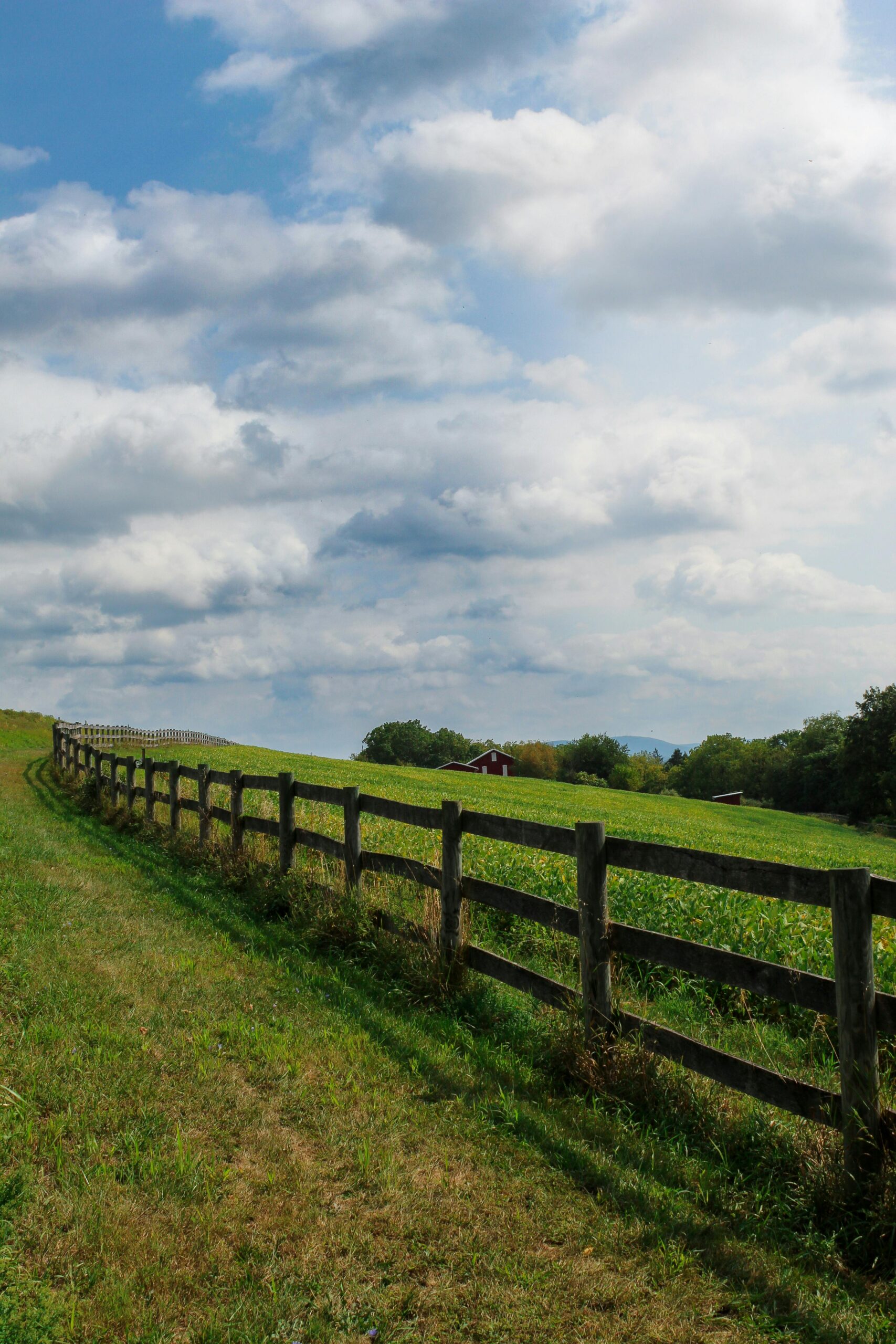
To ensure the effectiveness and longevity of an agricultural fencing system, it is essential to follow best practices for installation and maintenance. This includes properly surveying the land to determine the most suitable fencing route, using high-quality materials that can withstand the elements and livestock, and regularly inspecting and maintaining the fencing system to prevent damage and wear. Additionally, farmers should consider integrating technology, such as electric fencing or motion sensors, to enhance the security and efficiency of their agricultural fencing system.
In conclusion, agricultural fencing is a vital component of farm management, playing a critical role in maintaining the security and integrity of agricultural lands. By understanding the importance of agricultural fencing and following best practices for installation and maintenance, farmers can protect their livelihoods, prevent financial losses, and contribute to the sustainability of the agricultural industry. Whether you are a seasoned farmer or a newcomer to the agricultural sector, investing in a reliable and effective agricultural fencing system is essential for ensuring the long-term success and profitability of your farm.