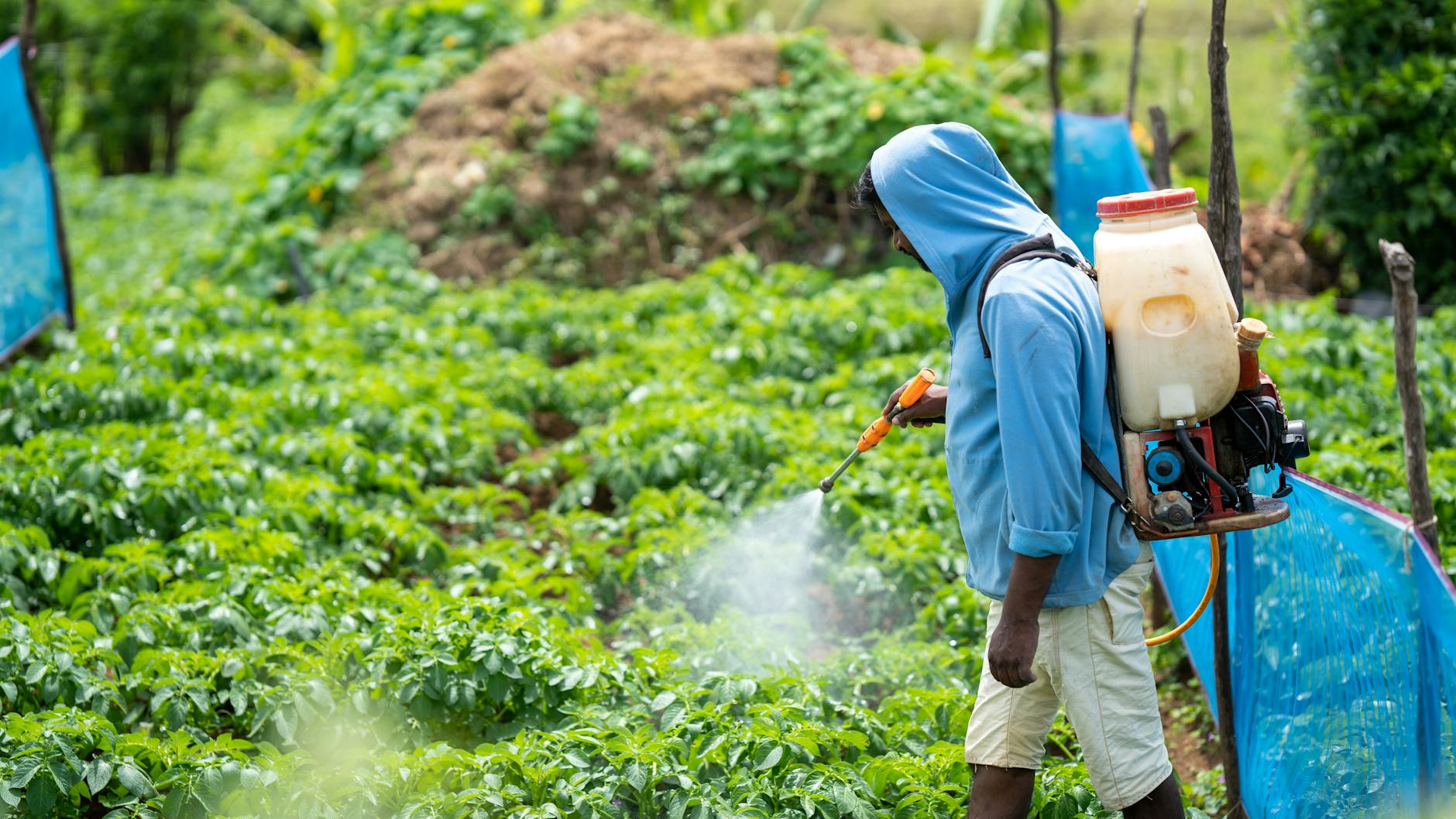
According to data from the Food and Agriculture Organization (FAO), pesticide use in Thailand remains a pressing concern. In many cases, farmers have been forced to rely on chemical pesticides to control pests in their crops, posing risks not only to their own health but also to the quality of the produce.
As consumers become increasingly aware of the potential harm caused by pesticides, there is a growing demand for pesticide free farming in Thailand. However, this shift towards organic and sustainable farming practices is met with various challenges, ranging from a lack of resources to inadequate support from the government and other stakeholders.
A 2020 survey conducted by the National Bureau of Agricultural Commodity and Food Standards found that a significant majority of Thai farmers (75%) rely on chemical pesticides, with many citing the lack of available alternatives as a major reason for their choice. This statistic underscores the urgent need for alternative and effective pesticide free farming in Thailand methods.
<img src="
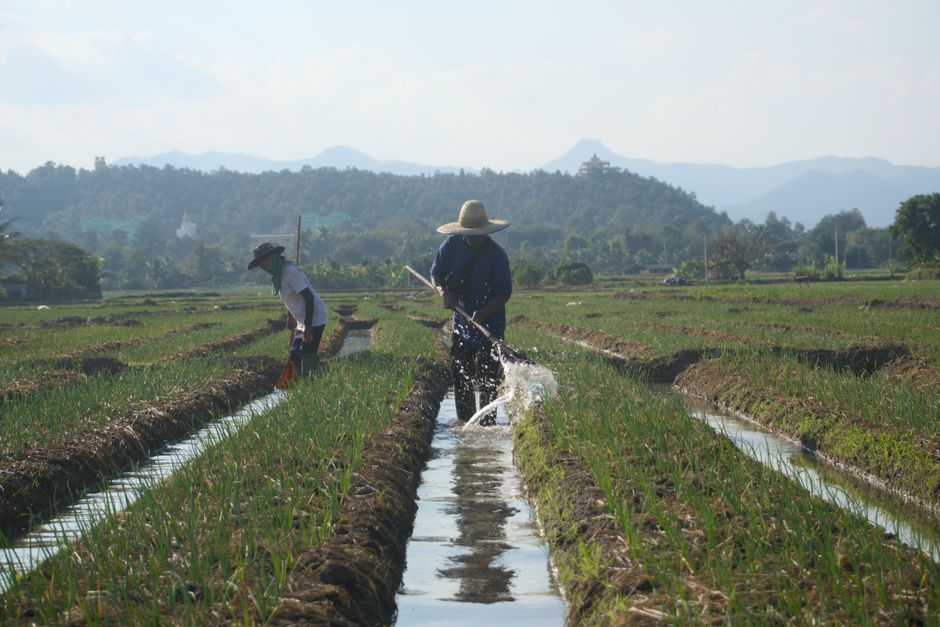
” alt=”Organic farming fields in pesticide free areas of Thailand focus on sustainable agriculture practices” class=”aab-inline-img” style=”width:100%;max-width:800px;height:auto;margin:20px 0;border-radius:8px;” />
Sustainable farming practices have gained traction globally, with many organizations and governments promoting environmentally friendly methods. Thailand is no exception, with initiatives such as the ‘Thailand 4.0’ policy aiming to develop high-value agriculture through the use of technology and innovation. However, despite these efforts, many farmers continue to struggle with pests, with some citing a lack of access to knowledge and resources as a major obstacle.
According to data from the International Fund for Agricultural Development (IFAD), in 2019, 45% of rural households in Thailand reported having some level of knowledge about organic farming. However, this figure drops significantly for farmers with lower levels of education, highlighting a pressing need for education and training programs to support the adoption of pesticide free farming in Thailand.
A key step towards promoting sustainable agriculture practices is education and training programs for farmers. Many organizations and government agencies in Thailand are working to establish training programs that focus on organic farming techniques, crop rotation, and other methods that reduce reliance on chemical pesticides.
One expert tip is to use crop rotation as a key component of pesticide free farming in Thailand strategies. By rotating crops, farmers can break the life cycle of pests and diseases, reducing the need for chemical pesticides. Furthermore, crop rotation can also improve soil health and fertility, leading to increased yields and improved crop quality.
Government Policy and Support
The government of Thailand has taken steps to promote pesticide free farming in Thailand, with initiatives such as the ‘Thailand Organic’ certification scheme. This scheme aims to promote the production and trade of organic products, providing a premium price for producers who adopt sustainable agriculture practices.
However, despite these efforts, many farmers continue to face challenges in accessing markets and selling their pesticide-free produce. According to data from the Department of Agriculture, in 2020, only 12% of organic produce sold in Thailand was purchased by consumers who were aware of the organic label, highlighting a pressing need for education and marketing efforts to promote organic produce.
<img src="
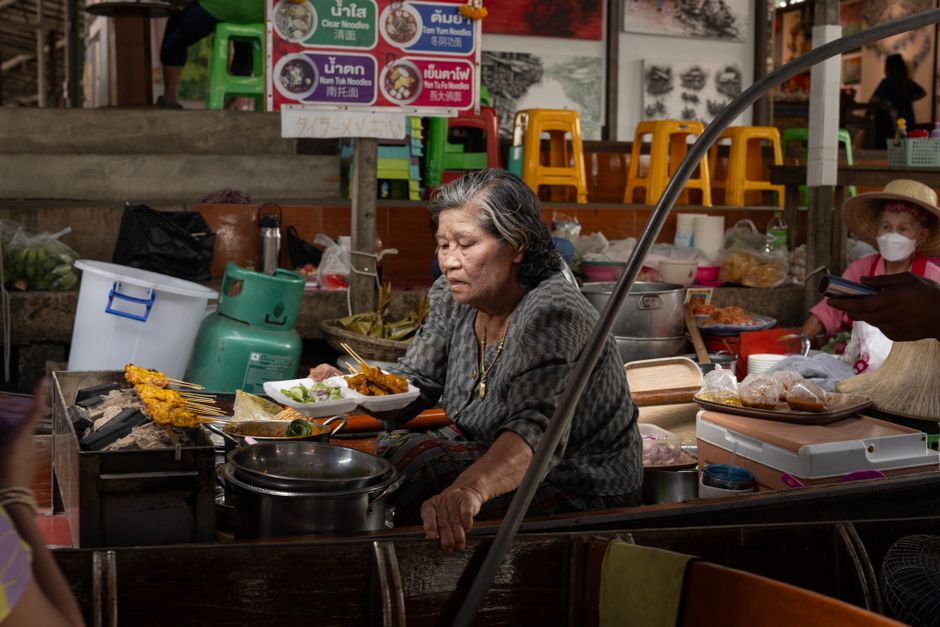
” alt=”Thai organic market stall displays pesticide free produce promoting sustainable agriculture” class=”aab-inline-img” style=”width:100%;max-width:800px;height:auto;margin:20px 0;border-radius:8px;” />
Market Outlook
The demand for pesticide-free produce is expected to continue growing in Thailand, driven by increasing consumer awareness of the potential health risks associated with pesticide use. As the market for organic produce expands, there will be opportunities for farmers to sell their pesticide-free produce at a premium price.
However, to capitalize on these opportunities, farmers will need to have access to the resources and support necessary to adopt sustainable agriculture practices. This includes education and training programs, access to certified organic markets, and support from government agencies and other stakeholders.
According to data from the National Bureau of Agricultural Commodity and Food Standards, the Thai market for organic produce is expected to grow by 15% annually until 2025, presenting a significant opportunity for farmers to increase their income and improve their living standards.
Conclusion
The move towards pesticide free farming in Thailand is an important step towards promoting sustainable agriculture practices and protecting the health of consumers. While there are challenges to be addressed, including a lack of resources and inadequate support from government agencies and other stakeholders, there are also opportunities for growth and development.
By promoting education and training programs, providing access to certified organic markets, and supporting farmers in their transition to sustainable agriculture practices, we can help to create a more sustainable and resilient food system in Thailand. As the demand for pesticide-free produce continues to grow, farmers who adopt pesticide free farming in Thailand practices will be well-positioned to capitalize on this trend and improve their living standards.